

Get all of your questions about baking with coconut flour answered here! This instructional article takes the guesswork out of working with this unique ingredient, so you can make delicious keto treats any time.
Be sure to check out all of my keto coconut flour recipes!
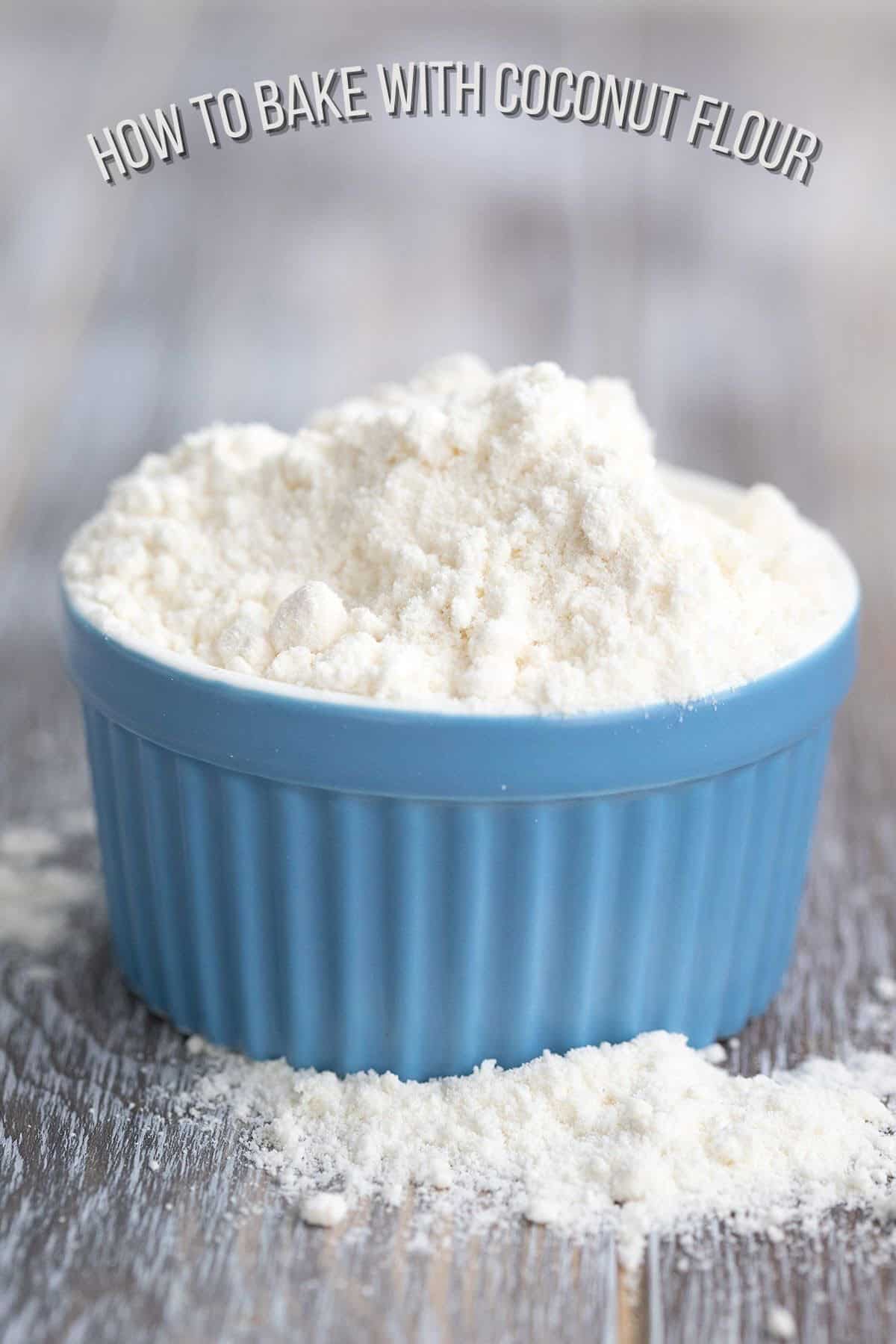
Coconut flour is a popular keto ingredient that is now widely available at more grocery stores. It’s incredibly useful and makes some of the best low carb, grain free baked goods. In fact, my favorite keto chocolate cupcakes are made entirely with coconut flour.
But if you don’t know how to work with it, coconut flour can be difficult and sometimes very frustrating. It simply doesn’t behave like any other flour on the market, and many people make mistakes when working with it. And then they give up altogether.
I want nothing more for you to have success in keto baking, which is why I put together this primer on baking with coconut flour. Because knowledge is power, my friends!
So let’s start at the very beginning, shall we?
What is coconut flour?
Coconut flour is actually the by-product of coconut milk production. After they extract the coconut milk, the leftover coconut meat is dried at low temperature for a long period of time, and then finely ground.
The result is a fine, powdery substance that resembles wheat flour in appearance, but smells distinctly of coconut.
The most distinctive characteristic of coconut flour is the rather astonishing way that it soaks up moisture and liquids. In this it differs from all other flours, gluten-free or otherwise. It’s like a sponge in powder form, taking in a remarkable amount of eggs, oil and other wet ingredients, and still staying as thick as porridge until it finally reaches saturation.
On the other hand, if you add too much liquid, you end up with a soggy baked good that won’t cook through. It’s a fine balance.
Don’t panic! Baking with coconut flour isn’t quite as unforgiving as it sounds. It does take some getting used to, however. I recommend starting with tried and true recipes until you have a feel for it.
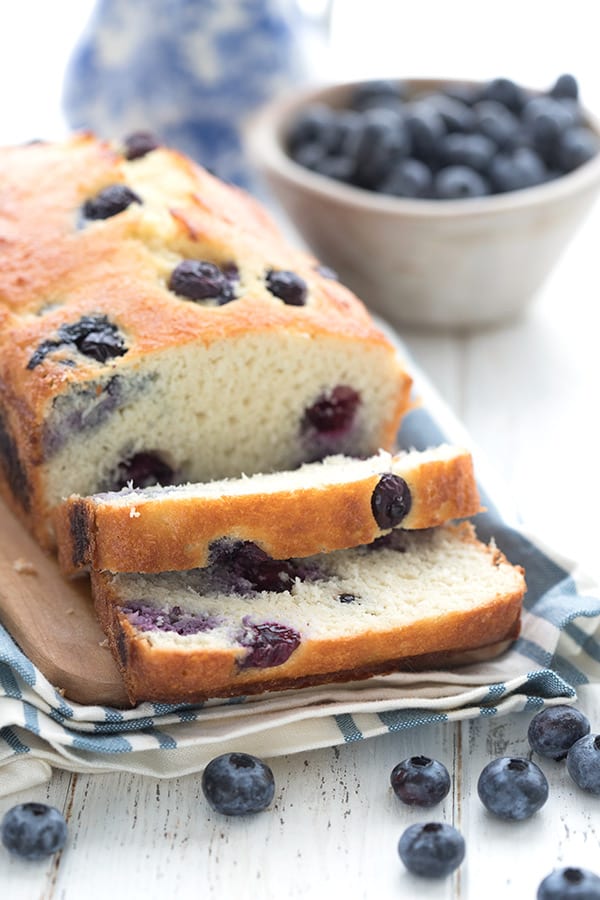
Benefits of coconut flour
Coconut flour is something of a nutritional powerhouse. Compared to wheat flour and nut flours, it is:
- High in fiber
- Low in carbohydrates
- Low in calories
- Completely gluten free and grain free
- Low in fat (compared to other keto flours)
- Low in omega 6
- Contains lauric acid, which may help fight infection
- Contains potassium
Additionally, coconut flour is quite inexpensive. This is particularly true since you use quite a bit less of it for baking than any other flour. A 16 ounce bag of coconut flour costs about $4 and can make 5 to 6 different recipes!
Replacing wheat flour with coconut flour
There really is no perfect formula for subbing coconut flour for wheat flour since it depends on what you are trying to make. Cakes and muffins, which need to be light and fluffy, will be very different than something more dense, like cookies.
But when working with coconut flour, you always need to decrease the flour and increase the eggs and baking powder.
For example, conventional pumpkin bread takes 2 cups of wheat flour, 2 eggs, 1/2 cup butter or oil, and 1 1/2 teaspoons of baking powder.
My keto pumpkin bread takes 3/4 cup of coconut flour, 4 eggs, 2 egg whites, 1/3 cup of butter or oil, and 2 full teaspoons of baking powder. Plus I always add some protein powder to help coconut flour recipes rise and hold their shape better.
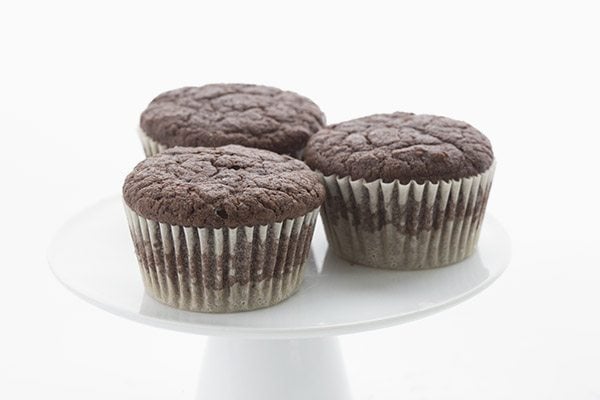
Replacing almond or other nut flours
Again, there’s no easy formula here as it depends heavily on what you want to make. But this is a little easier since they are both keto and gluten-free to start with.
If I rework one of my own almond flour recipes, I do something like this:
- 1/3 cup of coconut flour to every cup of almond flour
- Triple the amount of eggs
- Baking powder remains the same
- Protein powder remains the same
- Oils and liquids are about the same
From there, I adjust accordingly. If my batter seems to thick, I add additional liquid, one tablespoon at a time. If my batter is too thin, I add more coconut flour, one tablespoon at a time.
The reality is that experience and gut instinct helps a great deal. Knowing what the batter should look like comes with time so again, I recommend finding tried and true coconut flour recipes to start with.
Does coconut flour really need all those eggs?
Yes, yes it does. Don’t try to skimp on them or you risk recipe failure!
When I first started baking with coconut flour, I was shocked to learn that many recipes require 6 to 12 eggs. But trust me, those eggs are vital for giving your baked goods proper body and structure. Every time I’ve tried to cut back on the eggs, I’ve regretted it.
Coconut flour is remarkably absorbent and will soak them all up, and then some. The results aren’t eggy or rubbery. In fact, they often look and taste just like conventional baked goods.
Sadly, I have not had any luck with egg replacers at this point. They simply don’t give coconut flour enough structure.
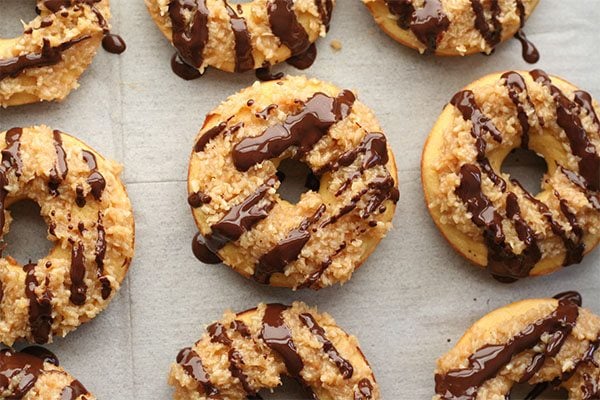
Does it taste like coconut?
Coconut flour definitely has a strong flavor and some baked goods can taste very coconutty, if there are no other flavors to compete with it.
But if you dislike coconut, all is not lost!
I find that chocolate, cocoa powder, and coffee can help mask the coconut taste for cakes and muffins. Other extracts and flavors, like citrus, can help too.
For savory recipes, a little garlic powder helps mask the coconut flavor. And if you make fathead dough with coconut flour, the cheese overpowers it completely. Many readers say that they can’t taste it all in my Chewy Keto Bagels!
Alternatively, if you do like the taste of coconut, you can bring it to the forefront with coconut oil and some coconut extract.
Different brands of coconut flour
One of the issues when baking with coconut flour is that different brands vary in consistency and absorbency. And of course this has an impact on your baked goods.
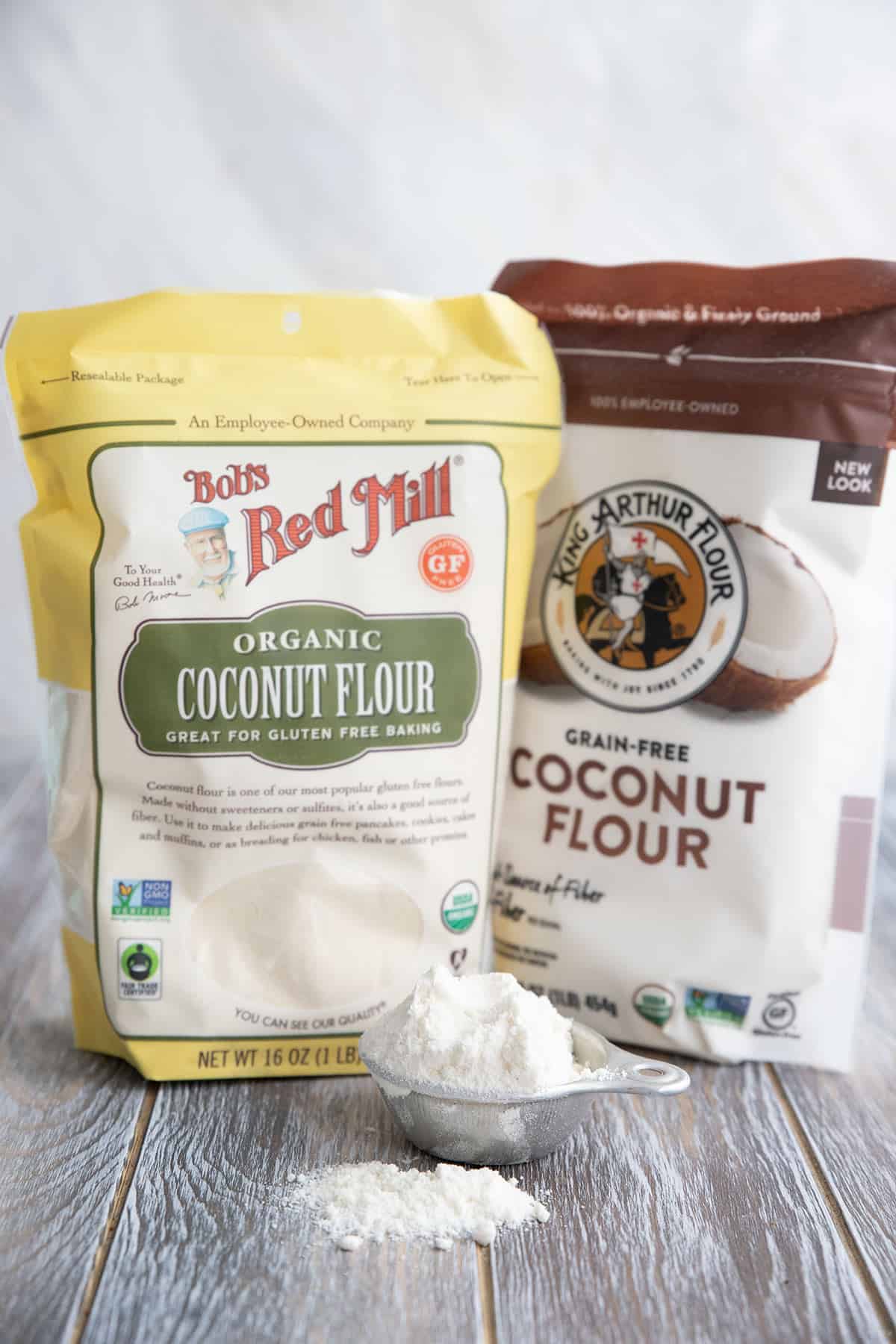
I have two brands I use and like: Bob’s Red Mill and King Arthur Baking. These are two of the most reliable baking companies in the US and I turn to them for many ingredients.
But I find that they do differ from each other. King Arthur coconut flour is lighter in color, tends to clump a bit, and seems to require less liquid than Bob’s (i.e. less absorbent). It’s not hard to accommodate these differences, though. I sift the King Arthur flour, whereas I don’t need to with Bob’s. And I hold off on extra liquid until I see what the batter looks like.
Always be sure to read the recipe carefully and look for the visual and tactile cues. I try to specify what the batter should be like in every recipe so that readers can adjust accordingly.
What is the best use of coconut flour?
Coconut flour is wonderful but it’s not perfect, and it doesn’t work for every recipe. In my experience, it’s best suited to some baked goods and not to others.
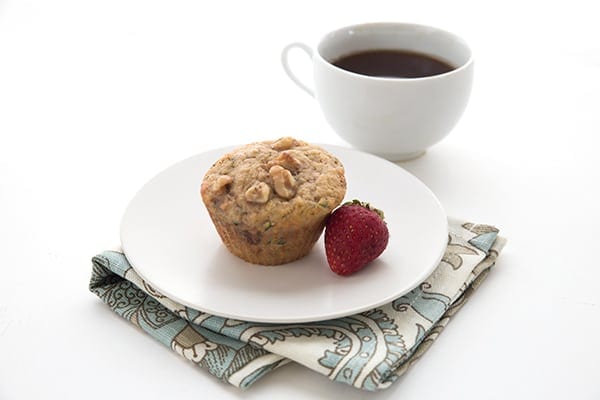
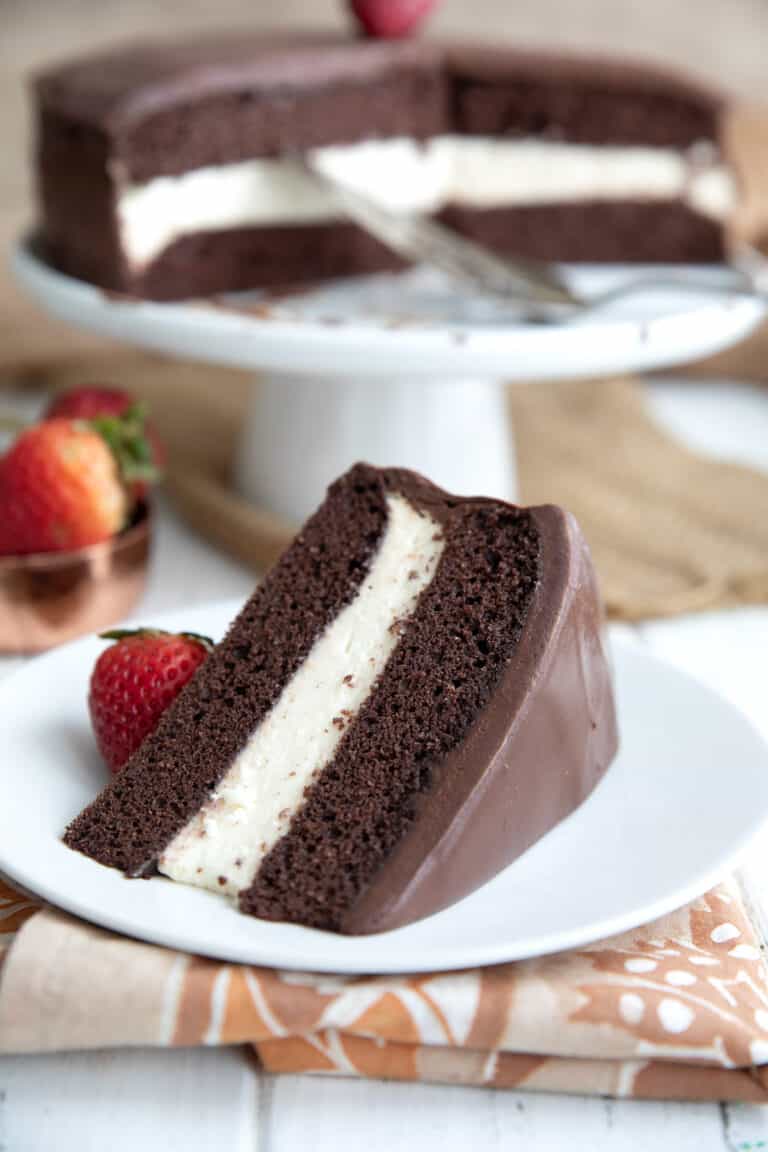
I think it really shines in keto cakes and muffins, because it gives them a light, fluffy consistency. It’s also good in recipes that are meant to be more dense, like coconut flour brownies.
But in recipes where you want a crisper texture, like cookies and keto shortbread, it fails miserably. Because it requires eggs to hold together properly, cookies end up too soft and moist.
If you are new to working with it, my coconut flour pancakes are a great place to start. It will give you a sense of how coconut flour works, and the batter can easily be adjusted as you go.
But I don’t think it works well in baked goods that require a crisp texture, like cookies.
Coconut Flour Blends
You can also blend coconut flour with other keto flours – it doesn’t need to be an all or nothing proposition.
Some of my most popular cakes are made with a combination of almond and coconut flour, as I find it improves consistency. The dryness of the coconut flour offsets the moisture and fat in the almond flour. It can also help lower the carb and calorie count.
For a recipe such as my Keto Texas Sheet Cake, I use 2 cups of almond flour and 1/3 cup of coconut flour. This ratio works well and gives the cake a finer crumb.
I also like to combine the two flours in keto scones, to give them right dense, slightly crumbly texture. And keto breads, such as my famous keto focaccia bread, benefit from a flour blend as well.
Where to purchase coconut flour
Keto and grain free diets have exploded in popularity in the past few years, and coconut flour is available in most grocery stores. It’s usually carried in the gluten-free or natural foods aisle, but sometimes it’s in the baking section.
You can also easily purchase coconut flour from online sources such as Amazon.
How to store coconut flour
Because coconut flour is so absorbent, it’s important to keep any open bags wrapped up tightly. This is particularly true if you live in a humid environment.
I prefer to keep it at room temperature, rather than in the fridge or freezer. Since it has a low fat content, it won’t go rancid or spoil easily, and it’s harder to work with when it’s cold. I only recommend freezing it if you have purchased in bulk and won’t go through it within 6 months.
The new Bob’s Red Mill bags have a great velcro-like seal at the top so I simply keep my coconut flour in the bag, tightly sealed.
Conclusion
I hope that helps to answer some of your most basic questions about baking with coconut flour. It may seem daunting at first, but after working with it, I think you will find that it’s not as tricky or as unforgiving as it sounds.
Coconut flour is definitely an ingredient worth adding to your repertoire. If you have a question you don’t see answered here, don’t hesitate to let me know!
Coconut Flour Recipes
Nutritional Disclaimer
Please note that I am not a medical or nutritional professional. I am simply recounting and sharing my own experiences on this blog. Nothing I express here should be taken as medical advice and you should consult with your doctor before starting any diet or exercise program. I provide nutritional information for my recipes simply as a courtesy to my readers. It is calculated using MacGourmet software and I remove erythritol from the final carb count and net carb count, as it does not affect my own blood glucose levels. I do my best to be as accurate as possible but you should independently calculate nutritional information on your own before relying on them. I expressly disclaim any and all liability of any kind with respect to any act or omission wholly or in part in reliance on anything contained in this website.
Free Bonus: Secrets to Keto Baking!
Sign up for your favorite recipes delivered straight to your inbox plus get our FREE bonus: Secrets to Keto Baking!
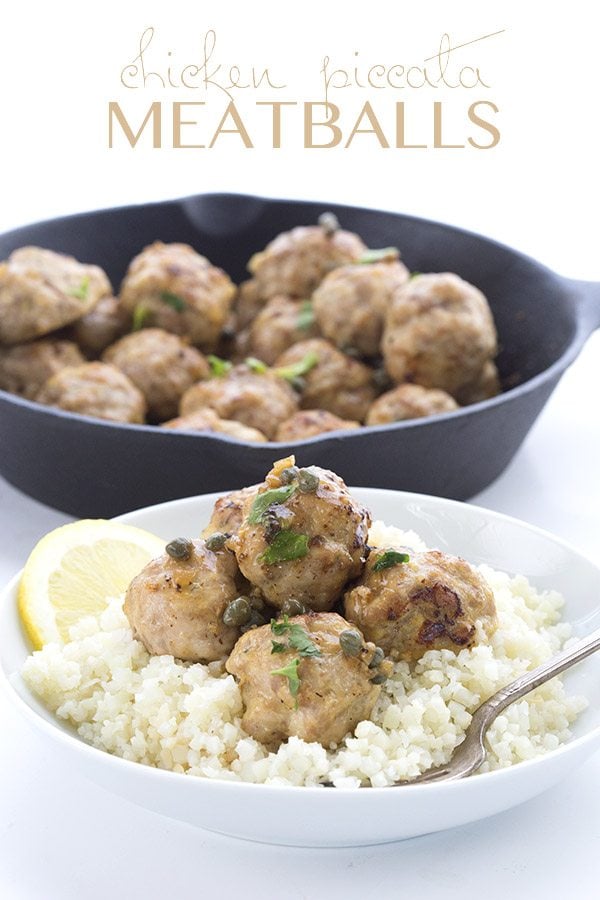













I am surprised that you had difficulty battering chicken with coconut flour! I have found that drying my chicken off, flattening it, running pieces through egg, and then removing the excess egg, works wonders. I then pan fry in almond oil that goes roughly halfway up the chicken, flipping partway through. (I don’t own a deep fryer!)
Add some seasoning to the coconut flour, and this has by far become my favorite way to make fried chicken!
Thanks for the ideas!
Great articel! I haven’t tried baking with coconut flour but am doing some reading before I try it. I have a question, you mentioned for vegans one can substitute the eggs for flax seed meal and water. Have you tried using all three? The eggs, flax seed meal and water? If so how did it turn out? If not do you think it could work well?
I’m sorry, I haven’t tried it myself.
I too am diabetic and have misbehaved (diet-wise) for far too long. This is one of the most informative and readable articles about coconut flour that I’ve found. Thank you! You have a new follower! 😉
So glad you found it helpful!
In search of cookie recipes using coconut flour. Have you used the flour for any and have they worked out?
Yes, I’ve tried and no, they haven’t been great. Rather puck-like. I do have a great breakfast cookie I did for SheKnows, but it includes both coconut flour and almond flour for a better consistency. http://experts.sheknows.com/post/food-and-recipes/paleo-double-chocolate-breakfast-cookies
Hey Carolyn. My son is deathly allergic to eggs so I am trying to figure out options for baking with coconut flour for him. Any ideas? The one recipe I am interested in trying is an oreo cake with a not too thick coconut crust. I would love a list of options if you have ideas. Thanks!!!
When it comes to coconut flour, going egg-free isn’t an area I’ve explored at all. Some readers have tried my coconut flour pancakes with flax or chia eggs and it hasn’t worked out at all. Sorry, Adrienne! 🙁
I am so glad I found this article! I am a long time baker but brand new to cooking with healthier flours. This is so helpful! Thank you for taking the time to write this!
You’re most welcome!
I appreciate this thorough and informative write-up, Carolyn. My father is diabetic and has recently gone through three major surgeries, two of which are diabetes related. I’m working closely with him to get his A1c levels down below 6 over the next 3 months. I’ve spent this week making portion-controlled freezer meals for him for lunch and dinner (all low cal, low fat, low carb, low sodium), enough to last him for two meals a day for the next 3 weeks and then I’ll make a new batch of meals. I’m also making healthy low-carb snacks for him between meals. I’ve been using grains with low GI as well as low glycemic loads (quinoa, barley, millet, etc) in place of traditional rice, pasta and potatoes. Now that I have his lunches and dinners figured out, I’m trying to to figure out breakfast. Egg/veggie/meat casseroles, that kind of thing. In searching for other options, like super low carb pancakes using coconut flour, I came across this post. From the research I’ve done, of all the low carb flours (including nut flours) it looks like coconut flour is the best option for someone following a strict low glycemic load diet. I just ordered some and look forward to experimenting with it. Will be trying some of your recipes, thanks!
Glad you found it helpful, Kimberly. Coconut flour can be really useful…just don’t ever try to treat it like regular flour! 🙂
I was wondering if you suggest refrigerating homemade coconut flour as well as store bought? I’ve read several places that it should be refrigerated but I’ve never seen store bought say it must be. Thanks!
I go through mine quickly so I don’t worry about refrigerating it, although I do refrigerate my almond flour. But yes, I probably would for homemade.
To bread and fry with coconut flour, it is easier if you mix an egg with almond milk or other milk. I don’t have exact measurements. Then, just dip your meat in the liquid mixture and then roll gently in the coconut flour. It doesn’t seem to clump up on me when I do that.
I’ve cooked/baked with soy flour before and it sounds like coconut flour may be similar (in that they both need exorbitant amounts of liquid in the recipes). Have you worked with soy flour, and would you say they’re comparable? I’m just trying to get an idea before I dive into the coconut flour world…
I have used soy flour a bit before but it’s not the same as coconut. Coconut flour requires a lot of eggs to give it structure…too much liquid and it will be soggy. So it’s a balance with eggs and liquids.
Hi –
I make apple-egg streusel muffins with coconut flour and they always turn out hollow inside. Any suggestions on how to prevent this?
Thanks!
I’d have to know the rest of the recipe.
Thanks for a very useful post – I bought a few kilos of coconut flour at my wholefoods store and most of my previous attempts at baking with it had been a bit frustrating. Good to know I need to massively bump up the egg quota – I wonder whether a chia gel would work here too, to keep the number of eggs down. I did make an excellent chocolate cake where I pretty much just subbed plain flour for coconut, and somehow that one just worked perfectly!
I just wanted to jump in here with a trick I found when baking with coconut flour. When using the many eggs required, I separate them and mix the yolks in with the other wet ingredients and the flour. I add small amounts of hot water to the mix until the batter has the consistency I’m looking for (doesn’t take much). Then I whip the egg whites and fold them in. The whipped whites give the bread a lightness that is often missing from gluten-free baked goods. I have a recipe for coconut flour lemon sponge cake that works a treat!
By the way, if I’m using cocoa, I use small amounts of hot coffee rather than water.
Hey Carolyn – I was looking at your drop biscuit recipe (going on the menu tonight!) and saw a comment from another reader about Coconut Secret brand, which is what I’ve always used. Do you have a brand that you stick to for better results? Thanks much!
I almost always use Bob’s Red Mill. But you can adjust for any brand. If you find your biscuit dough too wet, quickly whisk in another tbsp or so of coconut flour. If it’s too thick, add a tbsp or two more liquid. The dough should be thickish and sticky, but not impossible to drop from a spoon. Does that help?
Sure does, thanks! And this biscuit is pretty darn tasty – thanks for the great recipe!
Hello,
I am wondering about using gelatin as an egg replacement in coconut flour recipes. I am trying to figure out if this would be suitable. I don’t like using so many eggs all at once! What do you think? yea or nea? Thank you!!
Funny! My favorite way to use coconut flour is breading chicken and fish! I’ve never had a problem with it. My boyfriend loves it :D.