What are the best sweeteners for the keto diet? Check out this comprehensive guide to baking with sugar substitutes, and learn how to get the taste and texture you crave!
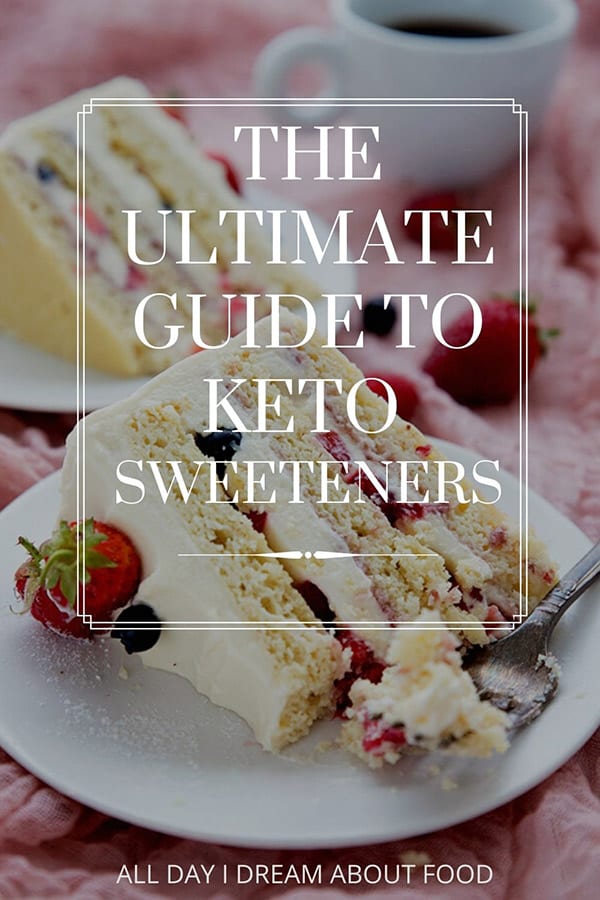
Today, my keto friends, I am imparting some of my vital knowledge and deep wisdom about using keto sweeteners. We will discuss all of their pros and cons, and how they affect the outcome of your keto desserts.
In advance of the holiday baking season, I figured you could put this information to good use. Because if you’re anything like me, you like to get an early jump on your keto holiday cookies!
This is actually an abridged version of the in-depth keto sweetener section in my book, The Ultimate Guide to Keto Baking. I think you will find it very informative.

What is the best keto sweetener?
I’m sorry, I simply cannot answer that for you.
I’m not being willful or stubborn, or deliberately withholding information. It’s simply that there is no such thing. Yes, you read that right – there is no such thing as the best keto sweetener.
Here’s why: Everyone experiences these sugar substitutes differently. It’s almost as individual as the individual themselves.
- Some people experience an unpleasant aftertaste with one and not another.
- Some people suffer from GI issues or headaches when consuming certain sweeteners.
- Some people see a blood sugar rise when other people do not.
- Some people may even experience an allergic reaction to certain sweeteners.
With the sugar substitutes market constantly expanding and changing, it’s much more about finding what sweeteners work best FOR YOU.
What are the best sweeteners for keto baking?
Ah, now we’re on to something. This is my territory and one that I have researched extensively. I have experimented with a wide array of sugar substitutes and I can tell you straight up that none of them behaves exactly like sugar.
They all have very different properties and the sweetener(s) you choose will impact the outcome of your recipes. The trick is to understand their different attributes and use them to advantage.
Consider the final product before choosing your sugar substitutes. What are you trying to make? What consistency are you trying to achieve? Do you want it crisp or soft? Chewy or cakey? Should it be gooey or firm?
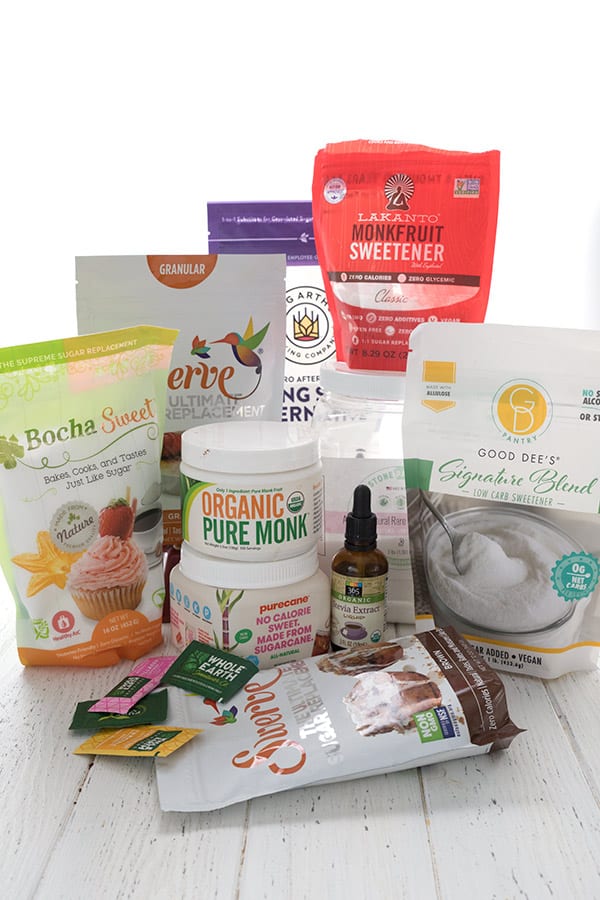
Most of the popular brands on the market are actually blends of two or more keto sweeteners. For simplicity’s sake, I am going to break them down into their main ingredients.
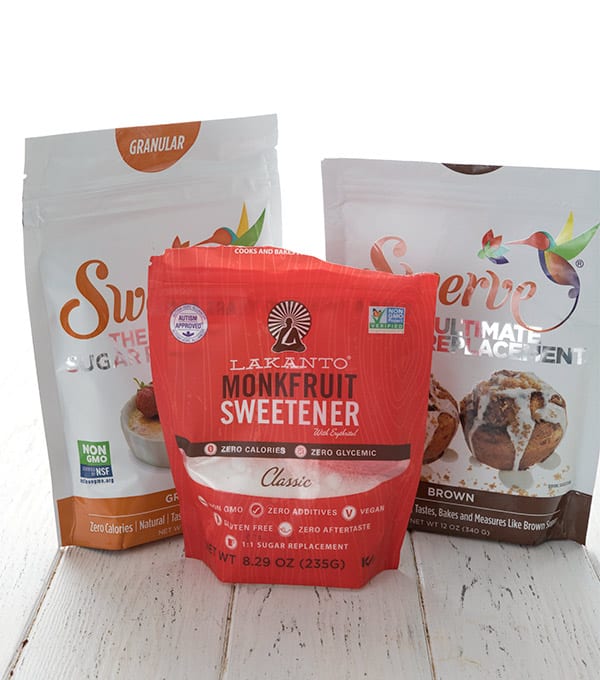
Erythritol
What is it?
Erythritol is a sugar alcohol (polyol) that is naturally present in some fruits and fermented foods. For mass production, it is made by fermenting a glucose syrup with enzymes.
It is unique among sugar alcohols in that it has zero carb impact. Our bodies simply do not recognize it as a carb so it does not impact blood sugar at all. And unlike many sugar alcohols, it does not cause gastrointestinal issues for most people.
How does it work?
Similar to sugar:
– Erythritol mimics sugar in its crystalline structure, so it helps whip air into butter and egg whites.
– It also browns and crisps up nicely and it can even be coaxed into caramelizing.
Differs from sugar:
– It’s only 70% as sweet as sugar, which is why most brands combine it with other sweeteners, to make it measure cup for cup.
– It’s non-hygroscopic, meaning that unlike sugar, it does not attract or hold onto moisture, which can cause baked goods to be dry and crumbly if they don’t have enough fat.
– It can re-crystallize as it cools, particularly in liquid applications like sauces, custards, and ice cream.
– Some people experience a mouth-cooling sensation, similar to sucking on a mint. Not everyone experiences this, and often mixing it with other sweeteners eliminates this sensation.
Major Brand Names: Swerve, Lakanto (this is mostly erythritol… do not be fooled by the fact that it calls itself a “monk fruit sweetener”), So Nourished, ZSweet.
Xylitol
What is it?
Xylitol is also a sugar alcohol found in some fruits and vegetables, as well as in wood and corn. It is usually manufactured commercially from corn or birch trees.
Some, but not all, xylitol is absorbed by the intestines into the bloodstream. This means it can cause some gastrointestinal discomfort when consumed in large amounts. It can also have an impact on blood sugar.
WARNING! The biggest issue with xylitol is that it is highly toxic to dogs.
How does it work?
Similar to sugar:
– It has a crystalline structure so it can whip air bubbles into butter and egg whites. It’s also as sweet as sugar.
– It’s more hygroscopic than erythritol so it attracts moisture and it doesn’t re-crystallize as it cools. Xylitol is great for ice creams and sauces to keep them soft.
Differs from sugar:
– Xylitol doesn’t caramelize or crisp up very well. This can cause problems for baked goods that need a crisp texture, like many keto cookies. They will turn out much more cakey and soft if you use xylitol.
– Definitely do NOT use for meringue, as it will stay gooey and soft, and won’t come off the parchment paper.
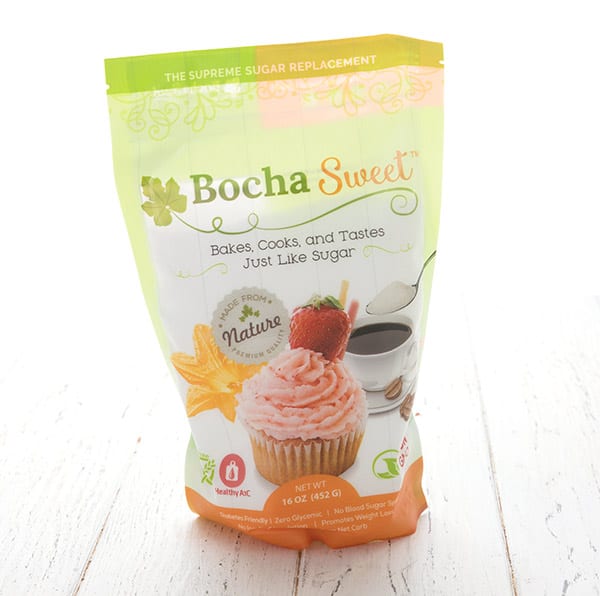
BochaSweet
What is it?
BochaSweet is the brand name of a unique sweetener derived from the kabocha squash, a type of winter squash also know as Japanese pumpkin.
Like erythritol, it seems to have little to no impact on most people’s blood sugar. But like xylitol, it can cause some gastrointestinal upset when consumed in large quantities.
In many ways, BochaSweet functions a lot like xylitol (they are both pentose sweeteners), but it does not appear to be toxic to household pets.
How does it work?
Similar to sugar:
– BochaSweet is as sweet as sugar and so can be used as a cup-for-cup replacement, without an apparent aftertaste.
– It is more hygroscopic and doesn’t re-crystallize so it’s great in sauces, custards, and ice creams. (I have started using it in combination with Swerve in all of my keto ice cream… they stay scoopable even straight from the freezer!).
Differs from sugar:
– Just like xylitol, BochaSweet will not crisp up or brown very well. Cookies end up soft and cakey, and meringues are so gooey that they won’t come off the paper.
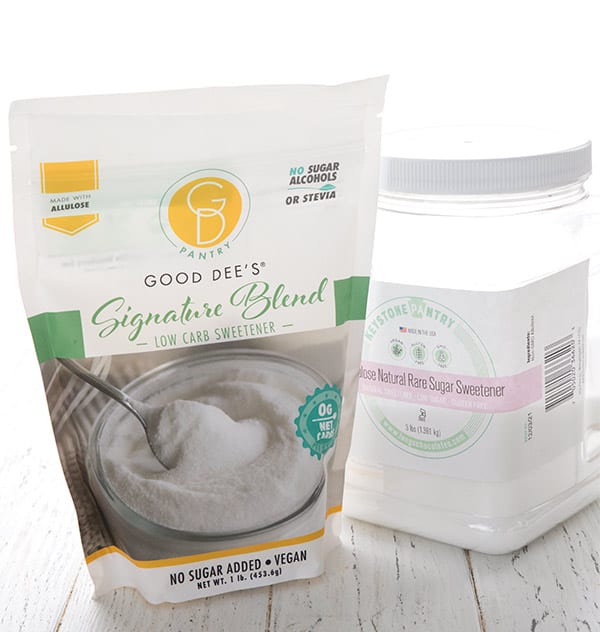
Allulose
What is it?
Allulose is a relative newcomer on the sugar alternative scene and has become incredibly popular. It is a monosaccharide, which means it really is a “sugar”, but one that our bodies don’t treat like a sugar or a carb. It is largely excreted without ever affecting blood glucose levels.
However, I caution you from personal experience that large amounts can cause serious GI distress. Many people don’t seem to suffer from this, but some of us do and it’s…not fun.
So it’s worth testing on yourself in small amounts and building up from there.
How does it work?
Similar to sugar:
– Allulose caramelizes nicely and tends to be hygroscopic, keeping sauces and ice creams soft, and baked goods tender.
Differs from sugar:
– Allulose is only 70% as sweet, which means you need more to sweeten your desserts.
– While it caramelizes well, it doesn’t crisp up well and baked goods tend to be soft and cakey. Even just a little allulose, in combination with other sweeteners, can prevent your cookies from becoming crisp.
– It can over-brown the outside of baked goods, especially the parts that are touching the sides of the pan. Cakes can have a dark, almost burnt appearance, although they aren’t over-cooked.
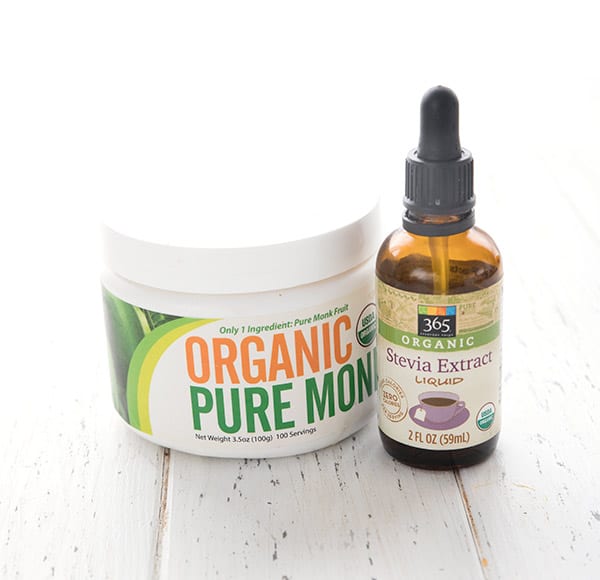
Stevia and Monk Fruit
I am lumping these two together because they have many similar properties and behave much the same way.
What are they?
Both stevia and monkfruit are naturally derived, plant-based sweeteners that are hundreds of times sweeter than sugar. Because they are extremely concentrated, a tiny amount can sweeten a whole recipe.
While that may sound like a good thing, it can have major implications for your keto baked goods. Read on…
How do they work?
Concentrated sweeteners like these have no “bulk” – they have little in the way of weight or volume so they don’t add much to your recipe other than sweetness. They can’t contribute anything to texture or consistency, and they don’t caramelize, crisp, or brown your baked goods.
Bulk is an important factor in anything from cupcakes to frosting. Substituting a non-bulk sweetener means your keto treats may not rise properly, may be more fragile, and may not set properly.
“Monk fruit sweetener”
Please be aware that many brands that bill themselves as “monk fruit sweetener” are actually mostly erythritol. The main ingredient is erythritol, with a little monk fruit to make it sweeter. This means that the sweetener will behave mostly like erythritol.
How to use sugar substitutes
I’ve thrown a ton of information at you and I know it’s hard to digest it all. I do this for a living and still I have times when a certain sweetener doesn’t behave the way I think it should. But here’s a quick cheat sheet on what to use when:
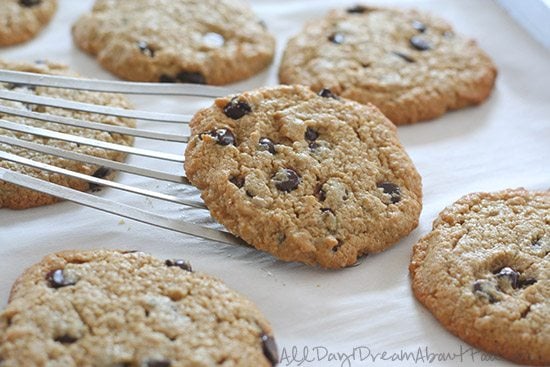
Want crisp keto cookies? Use erythritol based sweeteners like Swerve, Lakanto, or So Nourished. Other options will make your cookies soft and cakey. I highly recommend Swerve Brown for the best brown sugar substitute for cookies!
Making a keto cake recipe? Use any sweetener that has bulk (erythritol, BochaSweet, xylitol or allulose), but do be forewarned that some are not quite as sweet as sugar and you may need more of them.
Making a keto frosting? You need a bulk powdered sweetener to give your frosting structure. Erythritol, xylitol, and BochaSweet all have confectioners (powdered) versions. Allulose may as well but I am unsure of brands.
Want a gooey consistency? Try using BochaSweet or allulose, or combine it with another erythritol based sweetener. This combo is perfect for things like keto caramel sauce or my keto pecan pie.
Want keto ice cream that stays scoopable for days? My recommendation is half Swerve and half BochaSweet or allulose. Using only erythritol based sweeteners makes your ice cream rock hard, and all BochaSweet makes it too soft (it stays like soft serve!).
Just trying to sweeten your coffee? Use whatever you like best. They all work well if you don’t need a certain consistency so this is a matter of personal preference.
Still have questions?
Leave a comment and I will do my best to answer!
Adding to the confusion is that many brands on the market are blends of the keto sweeteners I outlined above. Blending sugar substitutes can maximize their sweetness and reduce potential aftertastes.
But I’ve tried such a wide array of sweeteners, I have a good idea of how most of them work. I can also take an educated guess based on the ingredients list. So drop me a line and I will give you all the information I can.
Nutritional Disclaimer
Please note that I am not a medical or nutritional professional. I am simply recounting and sharing my own experiences on this blog. Nothing I express here should be taken as medical advice and you should consult with your doctor before starting any diet or exercise program. I provide nutritional information for my recipes simply as a courtesy to my readers. It is calculated using MacGourmet software and I remove erythritol from the final carb count and net carb count, as it does not affect my own blood glucose levels. I do my best to be as accurate as possible but you should independently calculate nutritional information on your own before relying on them. I expressly disclaim any and all liability of any kind with respect to any act or omission wholly or in part in reliance on anything contained in this website.
Free Bonus: Secrets to Keto Baking!
Sign up for your favorite recipes delivered straight to your inbox plus get our FREE bonus: Secrets to Keto Baking!














Carolyn, last week I had started making notes for myself on how different sugar alternatives work, when I recalled hearing that you had this guide available on your webpage. Thank you for doing the research for us & breaking it all down. It sure is helpful. Thank you!
When making desserts, recipes many times will state a type of sweetner but won’t say whether it’s granular or powdered. Is there a way to determine which one to use?
If it doesn’t specifically say “powdered” or “confectioners”, then it’s granular. Think of it as “sugar” vs. “powdered sugar”.
I am glad for the sugar free sweeteners. thank you. I tried to print it but im not too tec save. I see you have cookbooks. I want to check them out
Do you recommend using oat FIBER in receipes? If so how/when should it be used? Thank you in advance.
Mellissa
I do not recommend it, mostly because it tastes like sawdust and can make things overly dry.
for your recipes that list Bocha Sweet as an ingredient, what would you suggest as a replacement? I have never been able to purchase it; every time I have tried it is either not available or not in stock.
Xylitol will do.
Do you have a conversion chart for keto sweeteners?
Hi, just wondering if you or anyone have used pure monk fruit? If so, does it work the same way as erythritol?
Thanks in advance. ☺️
Please read the section titled “Stevia and Monk Fruit”
Hi Carolyn😊 just wondering how powdered Truvia compares with powdered Swerve? All I have is powdered Truvia (and liquid allulose) so I took a shot and am currently making your sweetened condensed milk.
Hello, I’m fairly new to keto baking and have made your Easy Pecan Pie Bars, twice, and just yesterday, I made your Keto Nanaimo Bars — just looking for something when that “sweet tooth” shows itself after a meal (keto, of course). Just a question about sweeteners: Why aren’t my results as sweet as the similar desserts made with sugar or sweetened chocolate? I used Stevia in the Raw for the Nanaimo Bars, and it’s supposed to be a lot sweeter than sugar (300-400 times sweeter!) and yet, it is labelled as a 1:1 replacement for sugar.
We like the recipes and how ours turned out (especially the Pecan Bars) but both my wife and I say they aren’t nearly as sweet tasting as their sugar counterparts. Can you give me some guidance here?
Thanks, Ron
Hi Ron… great questions. So a few things to note:
1. If you are new-ish to keto, you will find things less sweet simply because you are used to sugar-based recipes. For example, take a look at a regular Nanaimo bar recipe and you will be SHOCKED at how much sugar is in the filling. Or a conventional frosting recipe, which often takes 4 to 5 CUPS of powdered sugar. Keto recipes rarely take the equivalent amount of sweetener because it’s pretty gross and overly sweet if they do.
2. We all experience different sweeteners differently. So for one of my recipes, I will have some readers say it’s too sweet and some say it’s not sweet enough!
3. Stevia in the Raw is not like stevia extract. It has a bulking agent (maltodextrin usually) which is supposed to make it measure like sugar. So it’s not 300-400 times as sweet as sugar. If you use liquid or powdered stevia EXTRACT, you usually use only 1/4 to 1/2 teaspoon per recipe.
So the upshot is a few things… it may be your choice of sweetener or it may be that you just need to get used to things being less sweet (and you will, I promise!). But you can always add a little more sweetener to my recipes if you like. Just don’t go crazy because chances are you will find them overly sweet if you do.
I have a question regarding the type of sweetener I should use in a gelatin-based cranberry & fruit salad recipe. In the past I used “monk fruit” (yes, it was mostly erythritol, I later realized) in place of sugar, to sweeten fresh cranberries, before adding to sugar-free gelatin (along with chopped apples, pecans, canned, zero sugar pineapple and mandarin oranges), and while tasty, the end result was that the dessert didn’t “gel” as well as it should have. Would another artificial sweetener get better gelling results? Or is the fault with the sugar-free gelatin and the amount of fruit? Is there anything else I could add to get better gel? Thanks!! 🙂 Cherie
I think a mix of erythritol and allulose would work nicely.
This is such a wonderful resource. Thank you very much for your hard work and meticulousness. I highly appreciate and love all you give to us.
Hi Carolyn,
Thank you for a great article. I live in South Africa and I am not too sure whether we can get these brands of sweeteners. I know we can get Xylitol, Stevia and Erythritol and possibly Monk fruit. However, my real query is “What sweetener would you recommend for lemon curd?” I have a great recipe and I have substituted Xylitol cup for cup in place of sugar. However I have tasted crystals in the cooled product. What mixture of sweeteners would you suggest?
I would use a mix of ertyrhtiol and allulose.
I read erythritol is not a healthy choice. Is this true? If so, what is a good alternative?
I am looking for a extra light syrup to can peaches and pears. What would you recommend as a subsitute for sugar if making a syrup to can peaches and pears in.
Probably allulose for that syrupy quality.
I have relied on your excellent advice in navigating the sweetener landscape. Since there is now so much negative publicity regarding erythritol, I’m wondering if you could discuss tagatose and whether it will work similar to erythritol in making baked items crisp?
Thank you for this explanation, I only like Bocha Sweet, but haven’t been able to find much information on it except from the company. I literally hate every other sweetener I’ve tried.