



What are the best keto sweeteners for a low carb diet? This comprehensive guide explains the ins and outs of sugar substitutes and the differences between them. Learn how to get the taste and texture you crave!
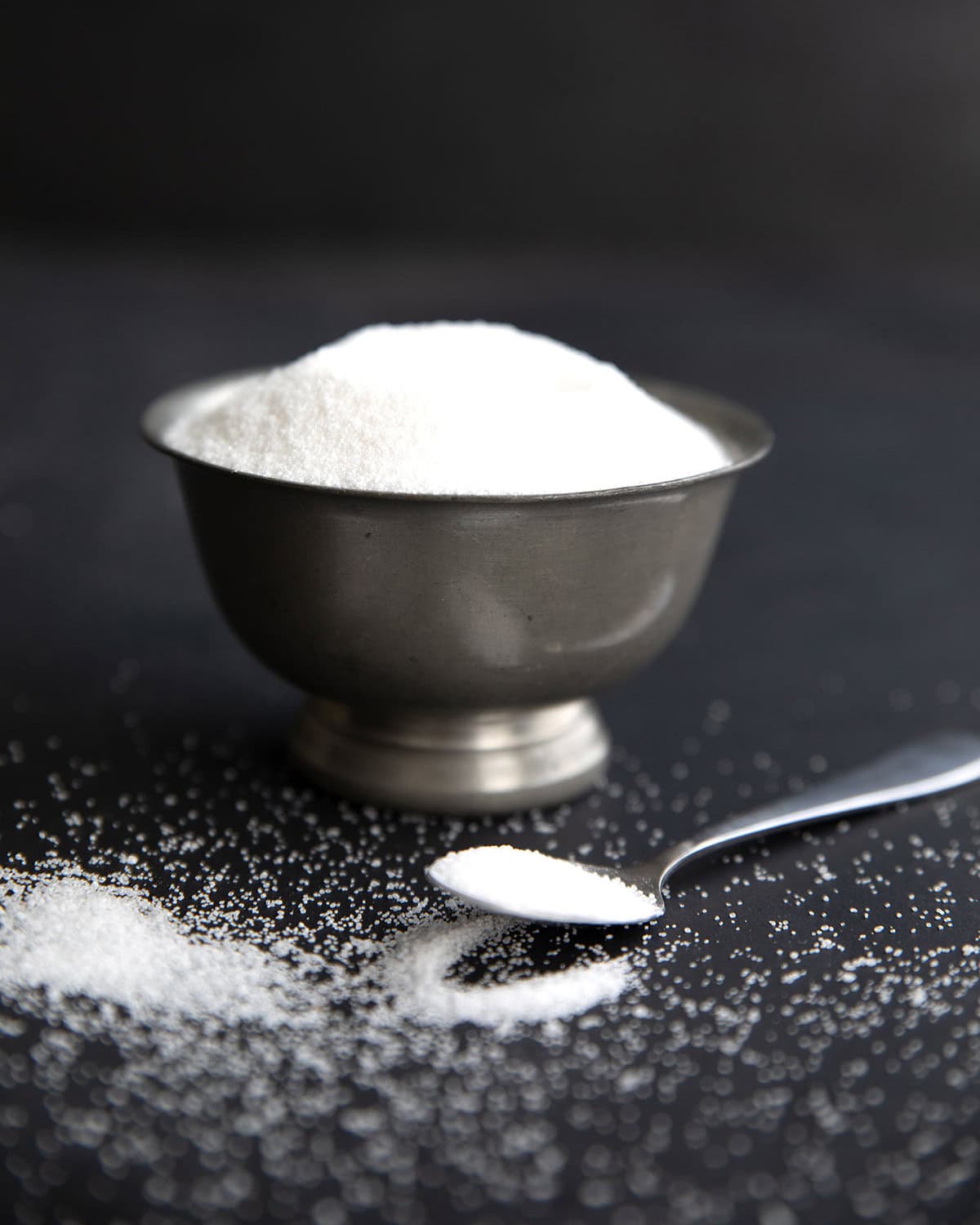
Let’s take a deep dive into the world of keto baking and discuss sugar substitutes. I am sharing some of my vital knowledge and deep wisdom about using alternative sweeteners. We will discuss all of their pros and cons, and how they affect the outcome of your keto desserts.
In advance of the holiday baking season, I figured you could put this information to good use. Because if you’re anything like me, you like to get an early jump on your keto holiday cookies!
👉This is an updated guide to keto sweeteners that takes into consideration new information, as well as the results from my own keto baking experiments. Use the table of contents below to quickly find the information you need.
What is the best keto sugar?
I’m sorry, I cannot answer that for you. I’m not being willful or stubborn, or deliberately withholding information. It’s simply that there is no such thing. Yes, you read that right – there is no such thing as the best keto sweetener.
Here’s why: Everyone experiences these sugar substitutes differently. It’s almost as individual as the individual themselves.
- Some people experience an unpleasant aftertaste with one and not another.
- Some people suffer from GI issues or headaches when consuming certain sweeteners.
- Some people see a blood sugar rise when other people do not.
- Some people may even experience an allergic reaction to certain sweeteners.
- Health concerns: In recent years, some sweeteners have been linked to adverse health outcomes.
With the sugar substitute market constantly changing, and new information coming to light, it’s much more about finding what sweeteners work best FOR YOU.

What are the best sweeteners for keto baking?
Now we’re on to something. This is my territory and one that I have researched extensively. I have experimented with a wide array of sugar substitutes and I can tell you definitively that none of them behave exactly like sugar. They all have very different properties and the sweetener(s) you choose will impact the outcome of your recipes. The trick is to understand their different attributes and use them to advantage.
Consider the final product before choosing your sugar substitutes. What are you trying to make? What consistency are you trying to achieve? Do you want it crisp or soft? Chewy or cakey? Should it be gooey or firm?
Most of the popular brands on the market are actually blends of two or more keto sweeteners. For simplicity’s sake, I am going to break them down into their main ingredients.
Is Erythritol Keto-Friendly?
What is it?
Erythritol is a sugar alcohol (polyol) that is naturally present in some fruits and fermented foods. For mass production, it is made by fermenting a glucose syrup with enzymes.
It is unique among sugar alcohols in that it has zero carb impact. Our bodies simply do not recognize it as a carb so it does not impact blood sugar at all. And unlike many sugar alcohols, it does not cause gastrointestinal issues for most people.
How does it work?
Similar to sugar:
- Erythritol mimics sugar’s crystalline structure, so it helps whip air into butter and egg whites.
- It also browns and crisps up nicely and it can even be coaxed into caramelizing.
Differs from sugar:
- It’s only 70% as sweet as sugar, which is why most brands combine it with other sweeteners, to make it measure cup for cup.
- It’s non-hygroscopic, meaning that unlike sugar, it does not attract or hold onto moisture, which can cause baked goods to be dry and crumbly if they don’t have enough fat.
- It can re-crystallize as it cools, particularly in liquid applications like sauces, custards, and ice cream.
- Some people experience a mouth-cooling sensation, similar to sucking on a mint. Not everyone experiences this, and often mixing it with other sweeteners eliminates this sensation.
Major Brand Names: Swerve, Lakanto, So Nourished, Impact.
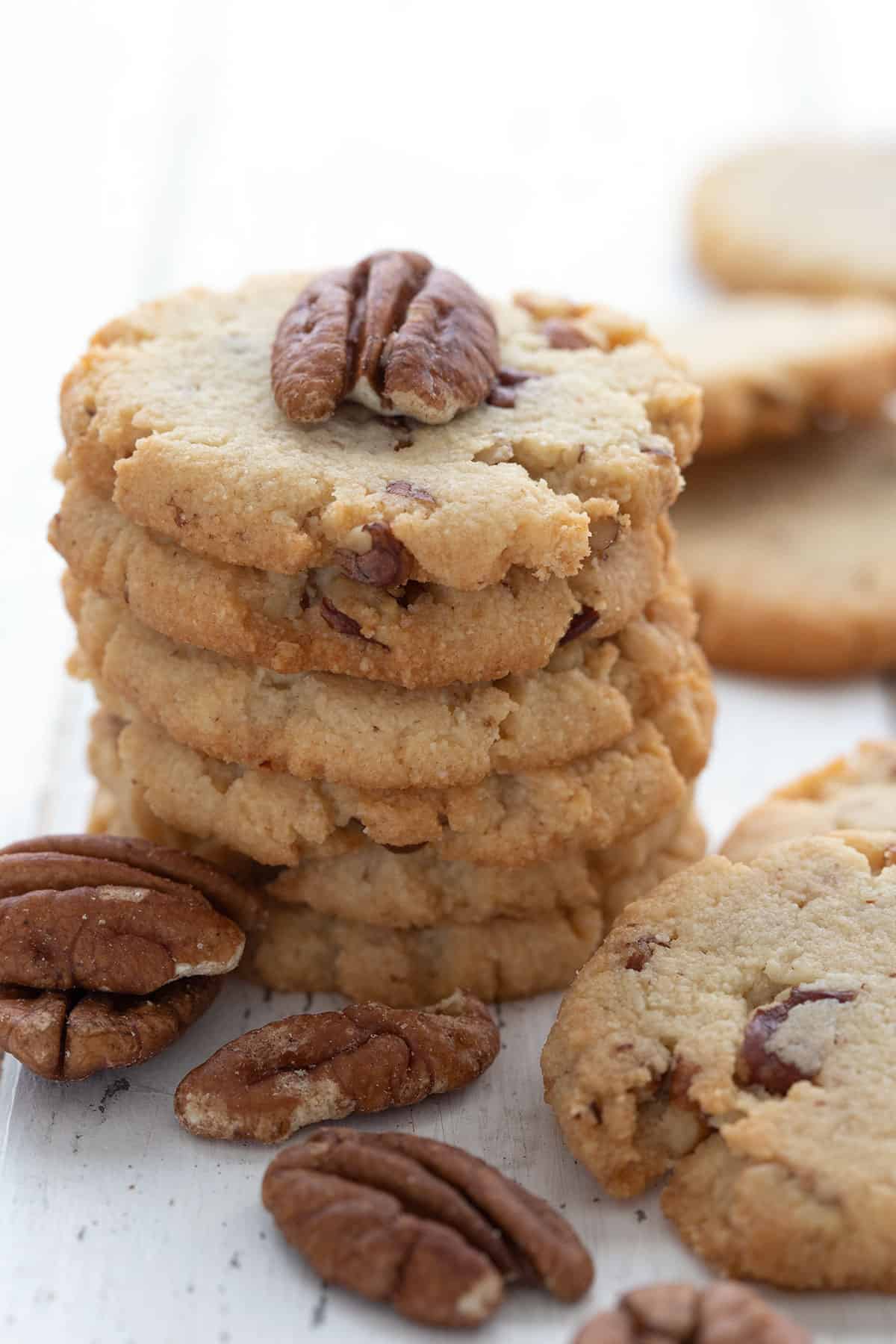
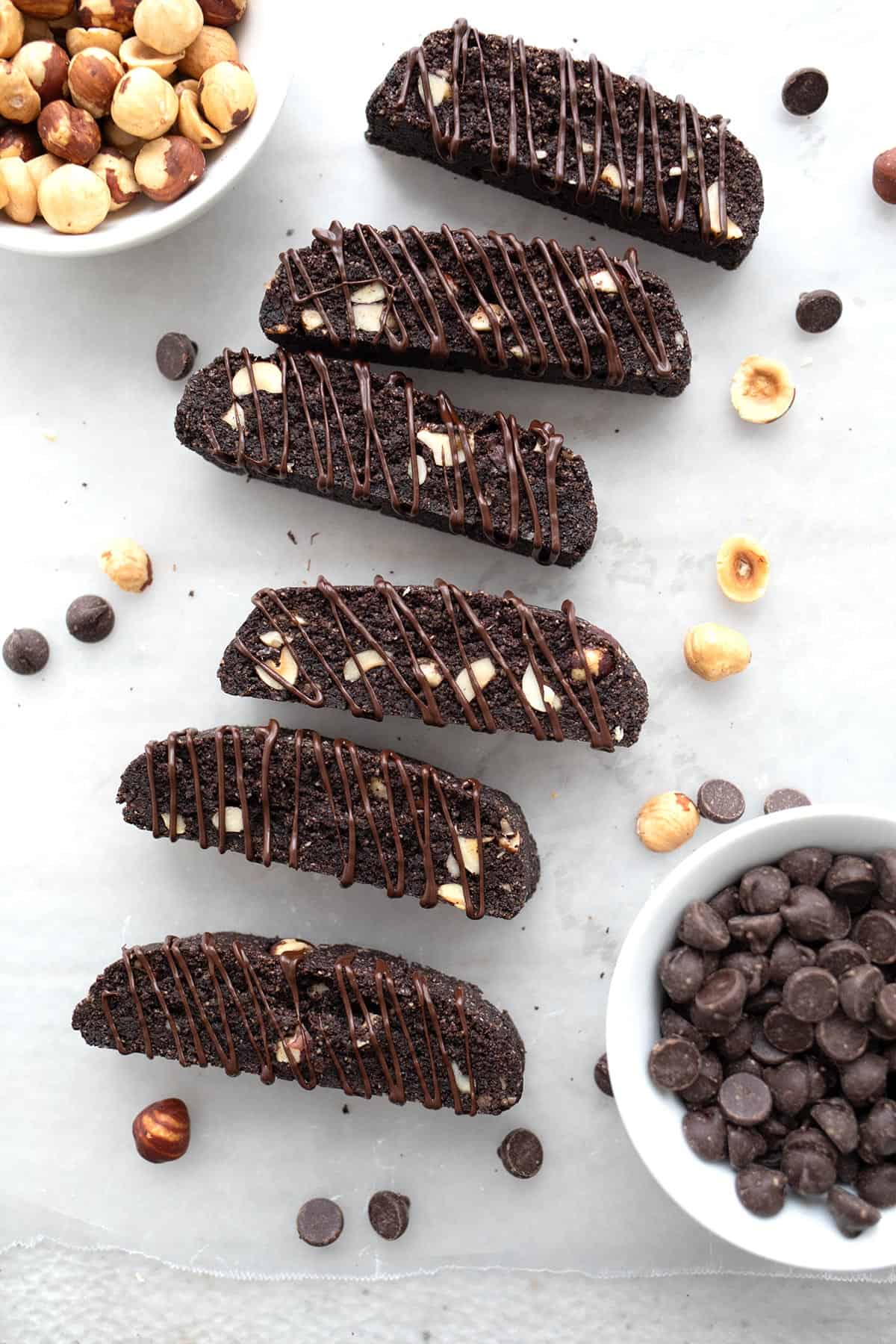
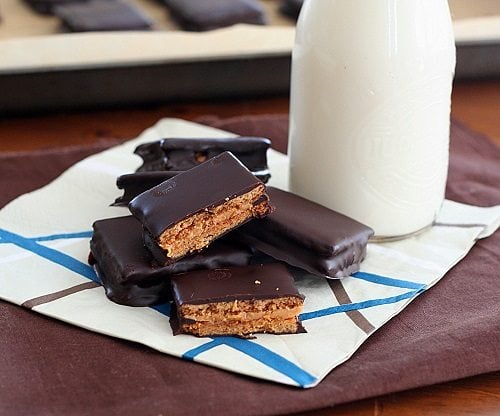
Check out these popular recipes: Keto Butter Pecan Cookies, Keto Twix Bars, Keto Biscotti
Recent Health Concerns
Recent studies have found a correlation between high consumption of erythritol and cardiovascular incidents such as heart attack or stroke. Additionally, there is a study that shows a correlation between various sweeteners (erythritol among them) and cognitive decline. The studies are mostly observational, but it does warrant more research and some caution.
While I still personally choose to erythritol-based sweeteners to achieve specific baking outcomes (like crisp cookies), I have reduced my consumption overall. I am also committed to giving my readers as many sweetener options as possible in every recipe. You can read my thoughts on the subject here: Is Erythritol Safe?

Is Xylitol Keto-Friendly?
What is it?
Xylitol is another sugar alcohol found in some fruits and vegetables, as well as in wood and corn. It is usually manufactured commercially from corn or birch trees.
Some, but not all, xylitol is absorbed by the intestines into the bloodstream. This means it can cause some gastrointestinal discomfort when consumed in large amounts. Some people find that it also affects their blood sugar. It is far lower on the Glycemic Index than sugar, however.
How does it work?
Similar to sugar:
- It has a crystalline structure so it can whip air bubbles into butter and egg whites. It’s also as sweet as sugar.
- It’s more hygroscopic than erythritol so it attracts moisture and it doesn’t re-crystallize as it cools. Xylitol is great for ice creams and sauces to keep them soft.
Differs from sugar:
- Xylitol doesn’t caramelize or crisp up very well. This can cause problems for baked goods that need a crisp texture, like many keto cookies. They will turn out much more cakey and soft if you use this sweetener.
- Definitely do NOT use for meringue, as it will stay gooey and soft, and won’t come off the parchment paper.
Concerns: One of the the biggest issue with xylitol is that it is highly toxic to dogs. Please be very careful if you choose to use it and you have pets.
Major Brand Names: Impact, BochaSweet, XyloSweet, Now Foods. ***Please note that I now list BochaSweet under xylitol, as they have acknowledged that it is primarily xylitol. Thus it has the same properties and concerns as xylitol.
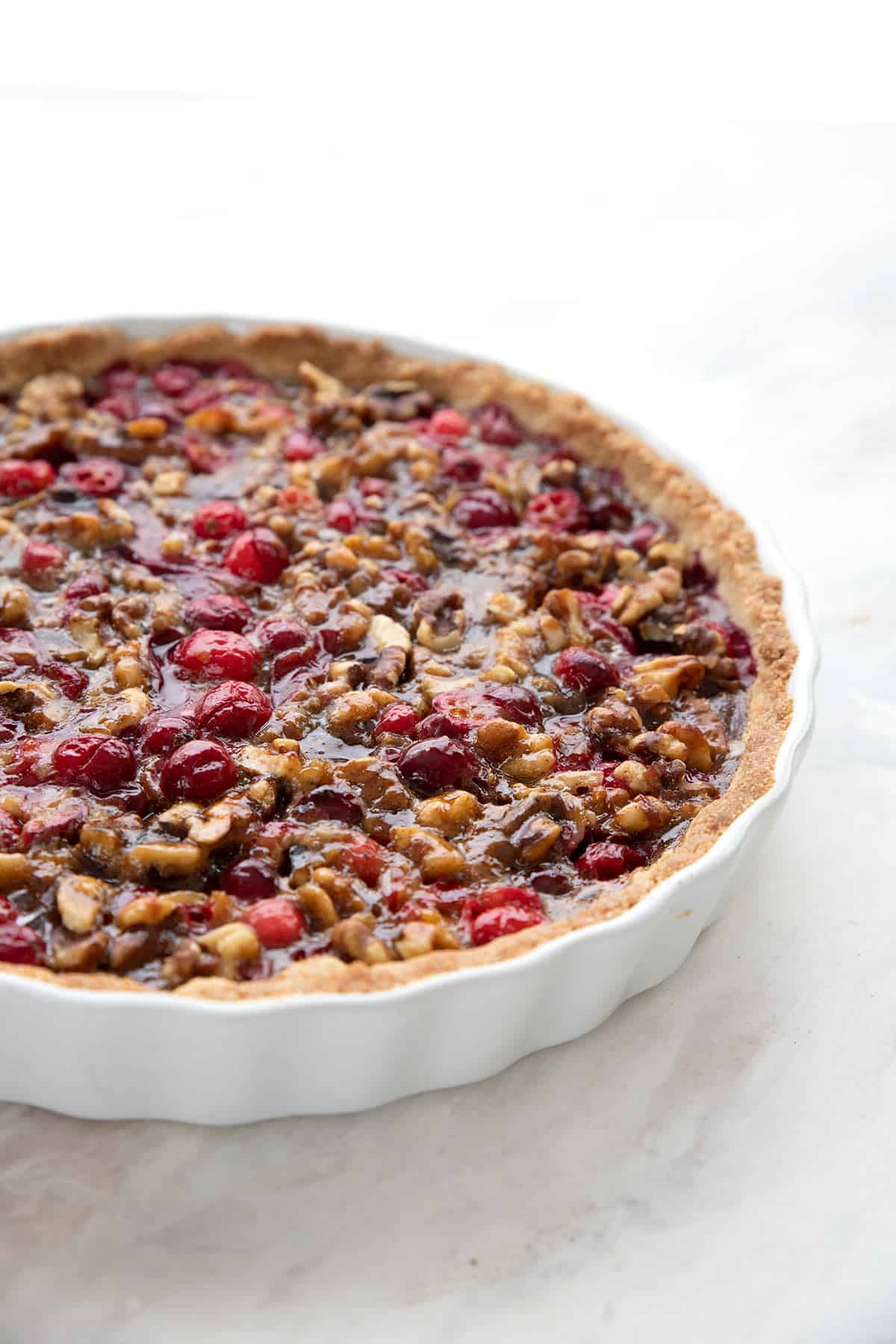
Check out these popular recipes: Keto Apple Cheesecake Bars, Keto Cranberry Walnut Tart


Is allulose keto friendly?
What is it?
Allulose is a relative newcomer on the sugar alternative scene and has become incredibly popular. It is a monosaccharide, which means it really is a “sugar”, but one that our bodies don’t treat like a sugar or a carb. It is largely excreted without ever affecting blood glucose levels.
A few things to note: Allulose is not approved for sale in many countries, including Canada and the EU. That does NOT mean that it has been banned, it simply means that it has yet to be approved. And it is not illegal to order it or bring it across the border, as long as it is for personal use.
Some people experience gastrointestinal upset from allulose. When I first began to test it out, I experienced this when I used it in high quantities. I no longer do. That is entirely anecdotal but it may be that your body can get used to it. So it’s worth testing on yourself in small amounts and building up from there.
How does it work?
Similar to sugar:
- Allulose caramelizes nicely and tends to be hygroscopic, keeping sauces and ice creams soft, and baked goods tender.
- It thickens and turns syrupy when boiled and simmered.
- It comes in both granular and liquid forms.
Differs from sugar:
- Allulose is only 70% as sweet, which means you need more to sweeten your desserts.
- While it caramelizes well, it doesn’t crisp up well and baked goods tend to be soft and cakey. Even a small amount of allulose can prevent cookies from becoming crisp.
- It can over-brown the outside of baked goods, especially the parts that are touching the sides of the pan. Cakes can have a dark, almost burnt appearance, although they aren’t over-cooked.
- Allulose makes everything softer, including cheesecakes, puddings, and frostings. They may take a lot longer to firm up and set properly when made with it.
Concerns: At this time, allulose has not been as widely studied as other sweeteners, and there are no long-term studies in humans. So while there aren’t any adverse health concerns at this time, that may change in the future.
Major Brand Names: Impact, So Nourished, All-U-Lose, Lakanto
Check out these popular recipes: keto caramel sauce, keto cranberry sauce, keto honey mustard


Are Monk Fruit and Stevia Keto-Friendly?
I am lumping these two together because they have many similar properties and behave much the same way.
What are they?
Both stevia and monkfruit are naturally derived, plant-based sweeteners that are hundreds of times sweeter than sugar. Because they are extremely concentrated, a tiny amount can sweeten a whole recipe.
While that may sound like a good thing, it can have major implications for your keto baked goods. Read on…
How do they work?
Concentrated sweeteners like these have no “bulk”. This means that they have little in the way of weight or volume so they don’t add much to your recipe other than sweetness. They can’t contribute anything to texture or consistency, and they don’t caramelize, crisp, or brown your baked goods.
Bulk is an important factor in anything from cupcakes to frosting. Substituting a non-bulk sweetener means your keto treats may not rise properly, may be more fragile, and may not set properly. But you can use them in combination with bulk sweeteners. I sometimes add a few stevia drops to my recipes to allow me to cut back on erythritol.
“Monk fruit sweetener”
Please be aware that many brands that bill themselves as “monk fruit sweetener” are actually mostly erythritol or allulose. The main ingredient is the bulk sweetener, with a little monk fruit to make it sweeter. This means that the sweetener will behave mostly like erythritol or allulose.
Artificial Sweeteners
All of the substances discussed above are found in nature, and thus should be considered natural sweeteners. Other common sweeteners like Sucralose, aspartame, and acesulfame K, are synthetically derived and are truly artificial sweeteners.
Although I choose not to use these, I know that many people like using Sucralose. If you wish to use it, you can consider its properties similar to those of monk fruit and stevia. It is highly concentrated, much sweeter than sugar, has no bulk, and will not caramelize.
Some brands combine Sucralose with bulking agents like maltodextrin. I recommend steering clear of these on a keto or low carb diet. Maltodextrin often raises blood sugar as much as real sugar!
How To Use Sugar Substitutes
I’ve thrown a ton of information at you and I know it’s hard to digest it all. I do this for a living and still I have times when a certain sweetener doesn’t behave the way I think it should. But here’s a quick cheat sheet on what to use when:
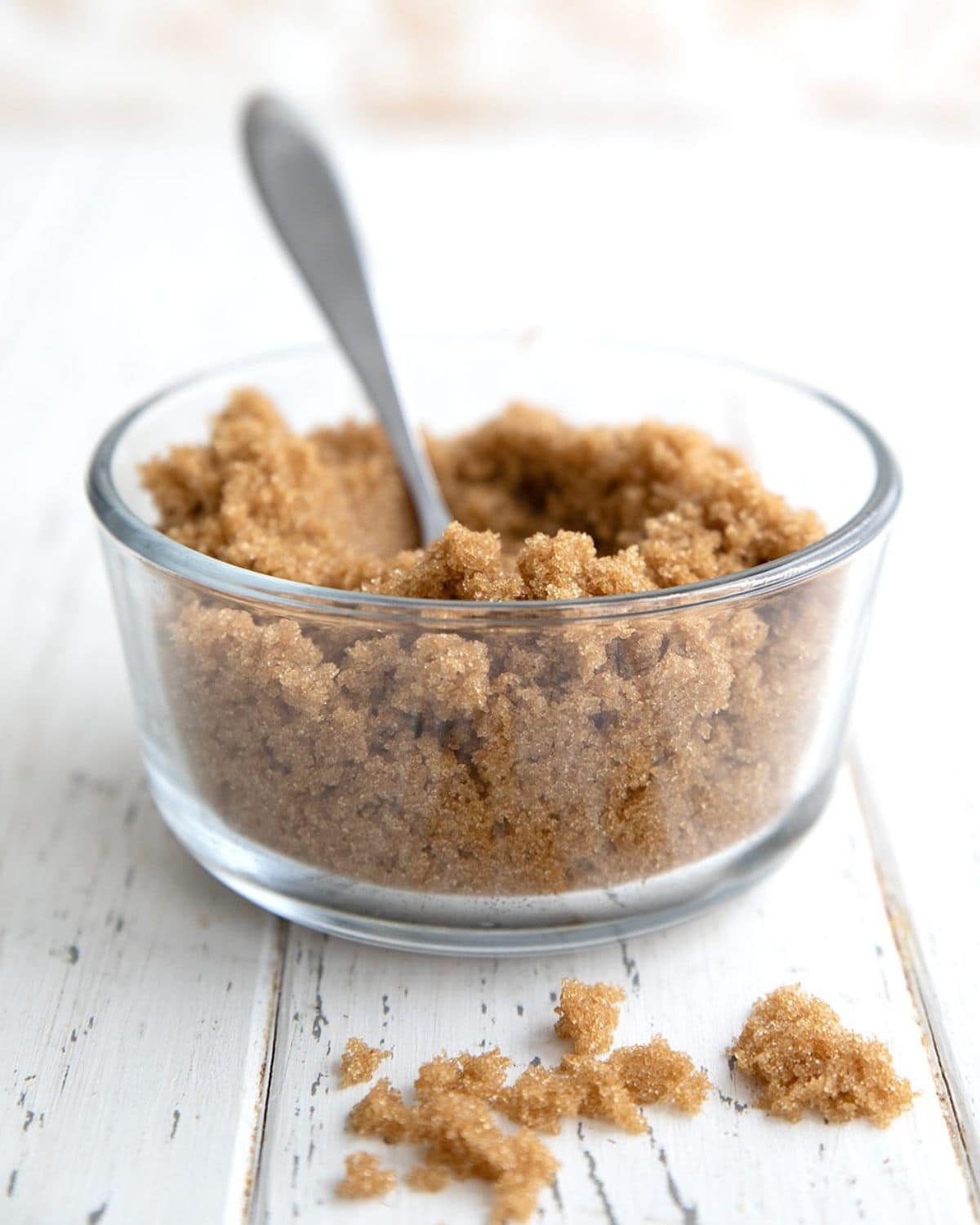
- Want crisp keto cookies? Use erythritol based sweeteners that don’t contain any allulose or xylitol. Other options will make your cookies soft and cakey. I highly recommend my keto brown sugar replacement for the best brown sugar substitute for cookies!
- Making a keto cake recipe? Use any sweetener that has bulk (erythritol, BochaSweet, xylitol or allulose), but do be forewarned that some are not quite as sweet as sugar and you may need more of them. Also keep your eye on cakes and muffins made with allulose so that they don’t over-brown.
- Making a keto frosting? You need a bulk powdered sweetener to give your frosting structure. Erythritol, xylitol, and allulose all have powdered (confectioners) versions.
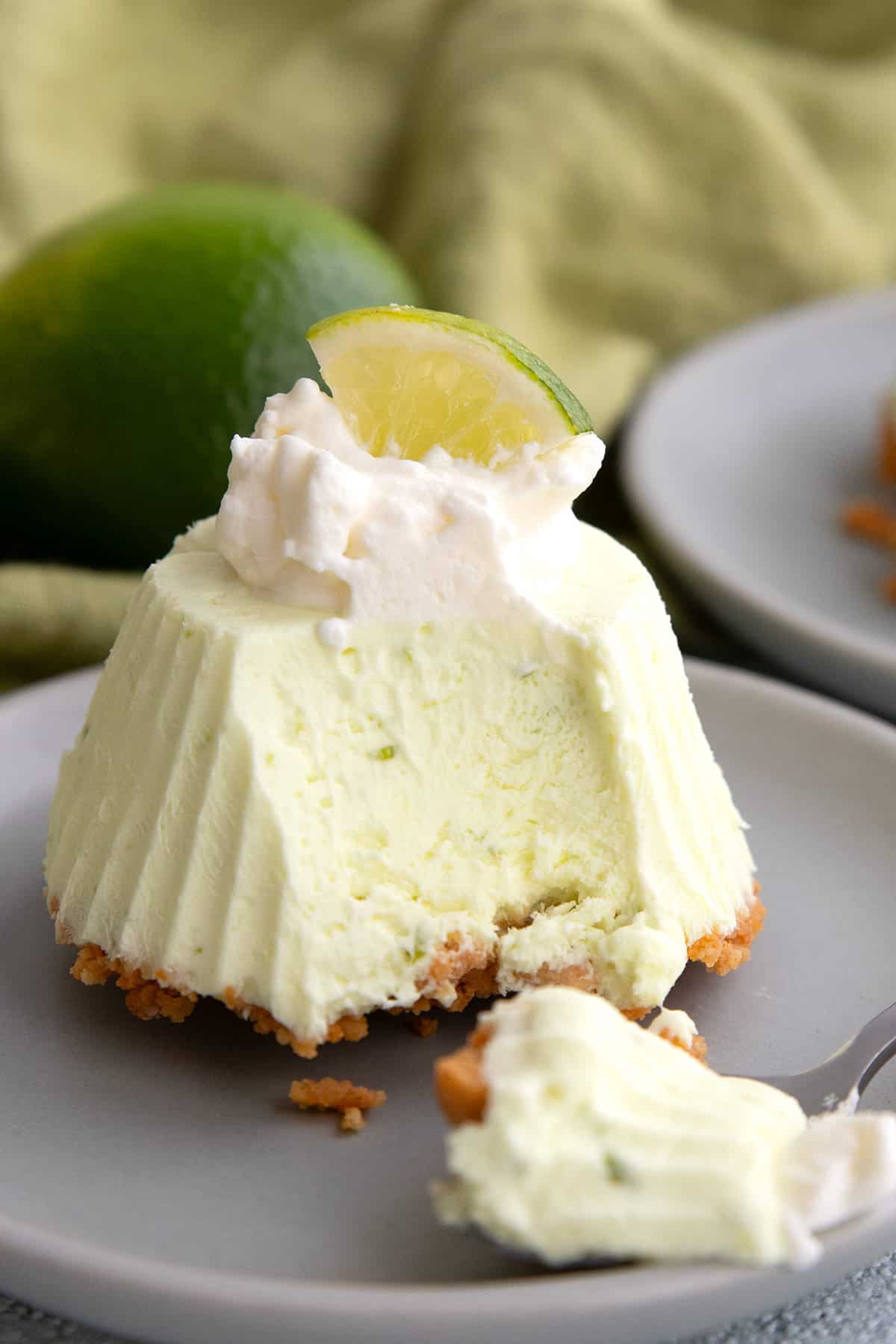
- Want a gooey consistency? Try using allulose or xylitol, or combine it with another erythritol based sweetener. This combo is perfect for things like keto caramel sauce or my keto pecan pie.
- Want keto ice cream that stays scoopable for days? My recommendation is a 50/50 split between erythritol and allulose. Using only erythritol based sweeteners makes your ice cream rock hard, and allulose alone makes it too soft (it stays like soft serve!).
- Just trying to sweeten your coffee? Use whatever you like best. They all work well if you don’t need a certain consistency so this is a matter of personal preference.


Still have questions?
Leave a comment and I will do my best to answer!
Adding to the confusion is that many brands on the market are blends of the keto sweeteners I outlined above. Blending sugar substitutes can maximize their sweetness and reduce potential aftertastes.
But I’ve tried such a wide array of sweeteners, I have a good idea of how most of them work. I can also take an educated guess based on the ingredients list. So drop me a line and I will give you all the information I can.
Nutritional Disclaimer
Please note that I am not a medical or nutritional professional. I am simply recounting and sharing my own experiences on this blog. Nothing I express here should be taken as medical advice and you should consult with your doctor before starting any diet or exercise program. I provide nutritional information for my recipes simply as a courtesy to my readers. It is calculated using MacGourmet software and I remove erythritol from the final carb count and net carb count, as it does not affect my own blood glucose levels. I do my best to be as accurate as possible but you should independently calculate nutritional information on your own before relying on them. I expressly disclaim any and all liability of any kind with respect to any act or omission wholly or in part in reliance on anything contained in this website.
Free Bonus: Secrets to Keto Baking!
Sign up for your favorite recipes delivered straight to your inbox plus get our FREE bonus: Secrets to Keto Baking!










I know you have addressed this, but I can’t find that post, so could you address it again?
I’ve always been a big Swerve fan, but I know they recently went through a restructure of the makeup of these brands. Now I’m afraid to make my favorite dessert recipes from you using these brands (hello, pecan sandy cookies!)! Any advice from you concerning how I should address this change in my cooking/BAKING would be greatly appreciated!
Hi Dianne… yes, they added allulose to the brown and the granular (not to the powdered) so cookies won’t crisp up as much. But I did create my own which has no allulose, so that might help! https://alldayidreamaboutfood.com/brown-sugar-substitute/
They also have this version, which contains no allulose: https://amzn.to/3Tetc8q
Hi Carolyn, thanks for all you do and the valuable information you give us. I have read most of the comments but no quite all so don’t know if you have been asked & answered this question. I you have I apologize.
Are you familiar with and have you tested Wholesome Yum sweeteners and if so what is your opinion. I have tried them, but I really would like your experienced opinion if you have one. Regards, Marj
Hello!
I have a sweetener replacement I’m trying to use up that measures a half cup for every one cup of sugar:
A 1/2 cup of Truvia Cane Sugar Blend is equal to 1 cup of sugar.
For Keto recipes, do I use that conversion or measure out the exact amount from the recipe? I don’t want the recipe to turn out too sweet or with a weird texture.
Thank you-
Use the conversion. My sweeteners measure like sugar.
Hi Carolyn,
I have purchased several of your cookbooks and have thoroughly enjoyed learning to bake “sugar free.” My question is how do I continue to bake using erythritol when recent studies indicate possible cardiac clotting issues with Erythritol? I received a notification from one of my children regarding the study and stopped using it immediately which totally limited my keto baking. Any advice would be appreciated. Thank you.
Hi Teresa, you need to actually dig in more and read the many rebuttals of that study by many credible authorities and medical professionals.
Thank you so much for adding that bit of information about Xylitol being extremely toxic and lethal to dogs. Most people aren’t aware of that and may accidently poison their own dogs.
Hi Carolyn, I have been following you for about six months. I have seen great results with using your recipes. I was just wondering I live in Canada and have a hard time finding Allulose and Bocasweet. What can I substitute for this in recipes? Have a great day.
Xylitol is your best option.
Caroline, I am an avid fan of all of your recipes and follow your blog regularly. I appreciate your dedication to teaching us old fashioned bakers, a healthy and tasty new way! I came here to comment because I just did a Google search regarding the safety of Bochasweet for dogs, I saw this blog post from you stating that it IS safe for dogs. As a fur mom of two very loved dogs, I come here asking you to update your post. Bochasweet has it posted on their website that it is NOT safe for dogs.
“Like coffee, beer, garlic, and chocolate, BochaSweet is not safe for dogs due to its xylitol content. While we designed BochaSweet with your health in mind, it’s important to keep it away from your pets. Just as you store potentially harmful foods out of your dog’s reach, please do the same with BochaSweet to ensure everyone’s well-being.” Link for reference:
https://bochasweet.com/products/bochasweet-granular-sugar-replacement
Hi Danielle. This is what we call the old “bait and switch”. Their packaging used to say “Kabocha extract” rather than xylitol. And their website used to say it wasn’t harmful to pets…
I’ve been reading your marshmallow recipe and looking for the bochasweet (sold out pretty much everywhere right now)… then I read in these comments that you aren’t using bochasweet anymore? can you talk about that a little? I tried making marshmallows with the lakanto classic and do not like them at all. yuk. I’m hoping to find/develop a recipe that I do like but it needs to be sugar free.
I am not using BochaSweet anymore because I feel they played a game of bait and switch. They said they weren’t xylitol, that it was Kabocha Squash extract… now they say it’s xylitol. You should just use xylitol! (don’t use allulose… it makes them so soft that they melt way too easily).
I love cream brûlée and use granulated swerve for the top and it gets hard like I want but doesn’t brown. Would another sugar substitute work for that? Thanks!
Use a brown sugar substitute that has NO allulose. The new Swerve has allulose so it won’t crisp up properly.
What brand do you use now that Swerve has changed?
I still mostly use Swerve. They actually have some other versions that are just like the old one. Check on Amazon!
In your fudge and peanut butter fudge recipes, can you substitute Allulose for the Swerve?
You can certainly try… but I can’t guarantee the outcome.
Hi, Carolyn. I absolutely LOVE your recipes, especially those for baking cookies, breads, cheesecakes, cakes, etc. I use Bocha Sweet, almost exclusively in my baked goods, but I just realized that it does contain xylitol. Earlier in this article, you stated that it did not appear to be toxic to household pets. However, please note this statement from the Bocha Sweet webpage:
“BochaSweet™ is one of many everyday foods that are not suitable for consumption by dogs. Coffee, beer, garlic, chocolate, and xylitol are common foods on this list. Please do not feed your dog these foods which also include BochaSweet™.”
Yup… it’s called bait and switch. For a long time, their packaging stated that it was Kabocha squash extract and not xylitol. Their website used to say it was not toxic to pets. Guess they got caught out on that. I don’t use it anymore…
I make a broccoli salad with bacon bits, toasted pecans and cranberries that has a dressing of equal parts mayo and sugar and then 2 Tbsp. apple cider vinegar. What type of sweetener do you think would be the best substitute for the sugar, I guess to react with the ACV?
Probably just erythritol.
The new Swerve has allulose in it. Do I have to make any adjustments in your recipes that use the original Swerve?
Yes… anything that needs a crisp texture, it won’t work well.
Hello, I am a bit confused with Bochasweet and xylitol. The ingredients for Bochasweet show xylitol in parenthesis. Are they interchangeable?
So this is a bit of a bait and switch. BochaSweet used to say “Kabocha Extract” on the ingredient list. I think they may have gotten in trouble for that and now list it as xylitol.
What about Splenda?
Sorry, I only cover natural sweeteners, not ones that are man-made.
Thank you so much for this! I am one of the people who is very sensitive to cooling effect in erythritol, but I’m looking for a crisp cookie texture. Do you have recommendations of which sweetner I could mix the erythritol with to lessen the cooling effect?
Stevia (either the liquid or powdered kind) often offsets the cooling. Try reducing the Swerve by 1/3 the amount and using 1/4 to 1/2 tsp stevia.