



What are the best keto sweeteners for a low carb diet? This comprehensive guide explains the ins and outs of sugar substitutes and the differences between them. Learn how to get the taste and texture you crave!
Let’s take a deep dive into the world of keto baking and discuss sugar substitutes. I am sharing some of my vital knowledge and deep wisdom about using alternative sweeteners. We will discuss all of their pros and cons, and how they affect the outcome of your keto desserts.
In advance of the holiday baking season, I figured you could put this information to good use. Because if you’re anything like me, you like to get an early jump on your keto holiday cookies!
👉This is an updated guide to keto sweeteners that takes into consideration new information, as well as the results from my own keto baking experiments. Use the table of contents below to quickly find the information you need.
What is the best keto sugar?
I’m sorry, I cannot answer that for you. I’m not being willful or stubborn, or deliberately withholding information. It’s simply that there is no such thing. Yes, you read that right – there is no such thing as the best keto sweetener.
Here’s why: Everyone experiences these sugar substitutes differently. It’s almost as individual as the individual themselves.
- Some people experience an unpleasant aftertaste with one and not another.
- Some people suffer from GI issues or headaches when consuming certain sweeteners.
- Some people see a blood sugar rise when other people do not.
- Some people may even experience an allergic reaction to certain sweeteners.
- Health concerns: In recent years, some sweeteners have been linked to adverse health outcomes.
With the sugar substitute market constantly changing, and new information coming to light, it’s much more about finding what sweeteners work best FOR YOU.

What are the best sweeteners for keto baking?
Now we’re on to something. This is my territory and one that I have researched extensively. I have experimented with a wide array of sugar substitutes and I can tell you definitively that none of them behave exactly like sugar. They all have very different properties and the sweetener(s) you choose will impact the outcome of your recipes. The trick is to understand their different attributes and use them to advantage.
Consider the final product before choosing your sugar substitutes. What are you trying to make? What consistency are you trying to achieve? Do you want it crisp or soft? Chewy or cakey? Should it be gooey or firm?
Most of the popular brands on the market are actually blends of two or more keto sweeteners. For simplicity’s sake, I am going to break them down into their main ingredients.
Is Erythritol Keto-Friendly?
What is it?
Erythritol is a sugar alcohol (polyol) that is naturally present in some fruits and fermented foods. For mass production, it is made by fermenting a glucose syrup with enzymes.
It is unique among sugar alcohols in that it has zero carb impact. Our bodies simply do not recognize it as a carb so it does not impact blood sugar at all. And unlike many sugar alcohols, it does not cause gastrointestinal issues for most people.
How does it work?
Similar to sugar:
- Erythritol mimics sugar’s crystalline structure, so it helps whip air into butter and egg whites.
- It also browns and crisps up nicely and it can even be coaxed into caramelizing.
Differs from sugar:
- It’s only 70% as sweet as sugar, which is why most brands combine it with other sweeteners, to make it measure cup for cup.
- It’s non-hygroscopic, meaning that unlike sugar, it does not attract or hold onto moisture, which can cause baked goods to be dry and crumbly if they don’t have enough fat.
- It can re-crystallize as it cools, particularly in liquid applications like sauces, custards, and ice cream.
- Some people experience a mouth-cooling sensation, similar to sucking on a mint. Not everyone experiences this, and often mixing it with other sweeteners eliminates this sensation.
Major Brand Names: Swerve, Lakanto, So Nourished, Impact.
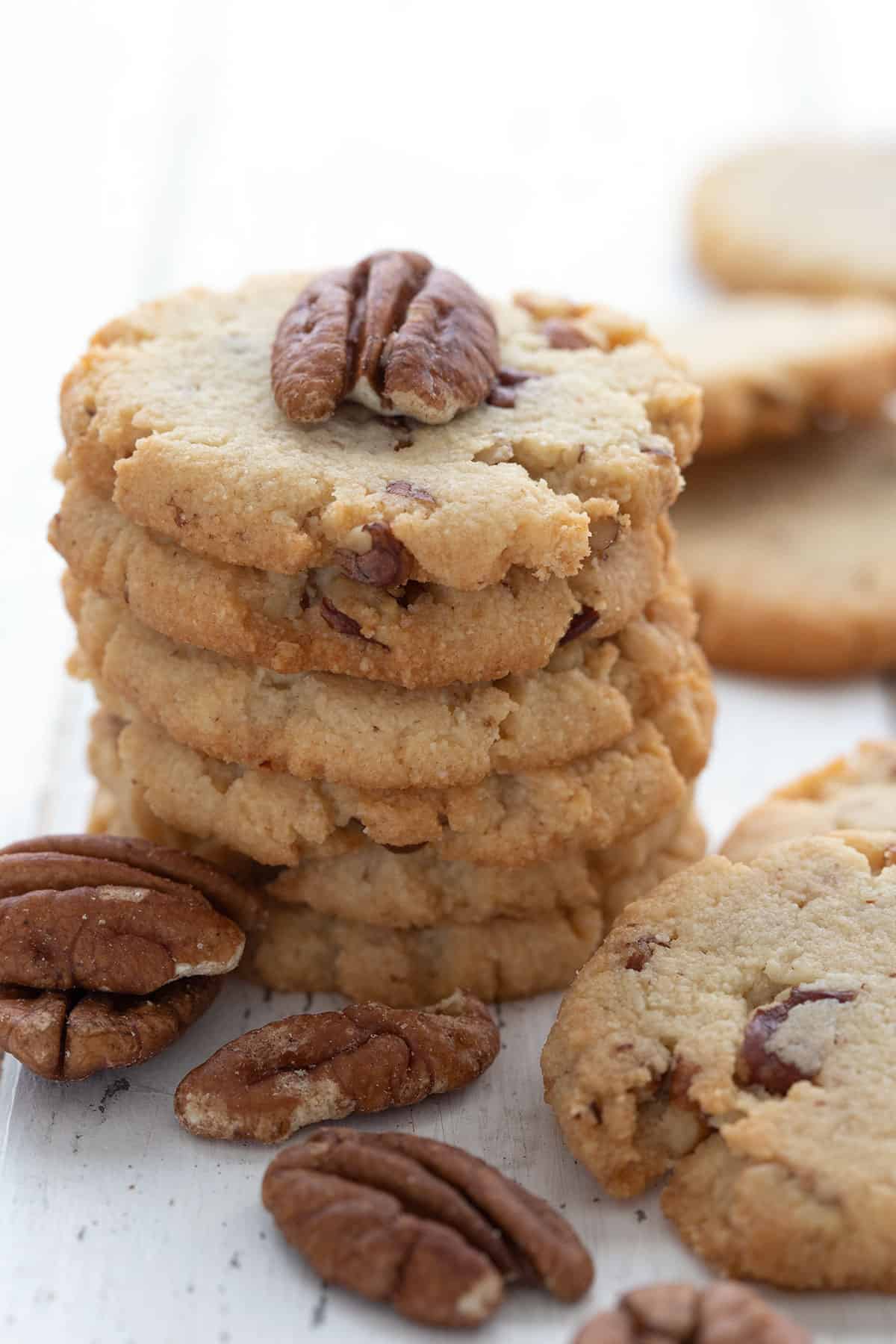
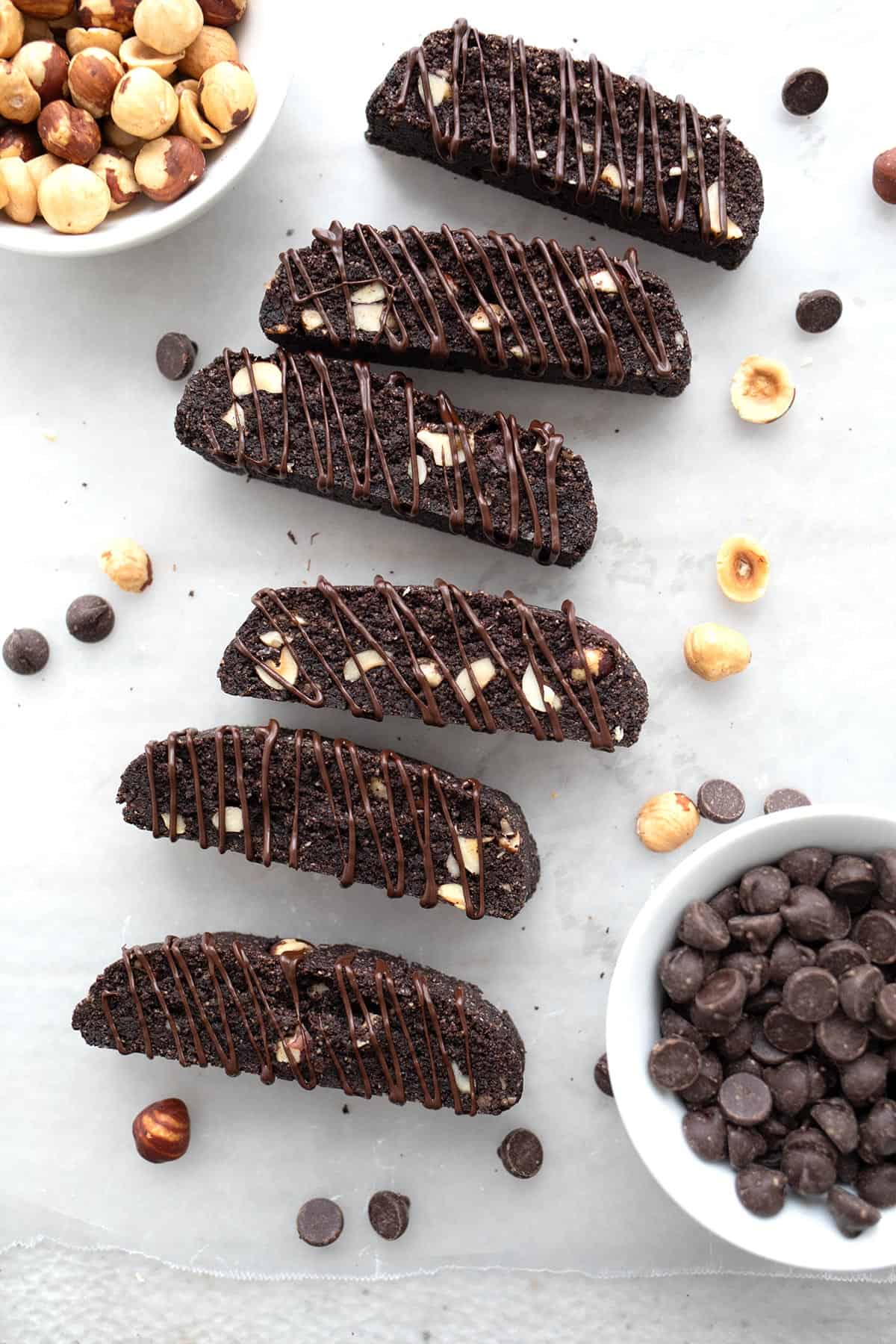
Check out these popular recipes: Keto Butter Pecan Cookies, Keto Twix Bars, Keto Biscotti
Recent Health Concerns
Recent studies have found a correlation between high consumption of erythritol and cardiovascular incidents such as heart attack or stroke. Additionally, there is a study that shows a correlation between various sweeteners (erythritol among them) and cognitive decline. The studies are mostly observational, but it does warrant more research and some caution.
While I still personally choose to erythritol-based sweeteners to achieve specific baking outcomes (like crisp cookies), I have reduced my consumption overall. I am also committed to giving my readers as many sweetener options as possible in every recipe. You can read my thoughts on the subject here: Is Erythritol Safe?

Is Xylitol Keto-Friendly?
What is it?
Xylitol is another sugar alcohol found in some fruits and vegetables, as well as in wood and corn. It is usually manufactured commercially from corn or birch trees.
Some, but not all, xylitol is absorbed by the intestines into the bloodstream. This means it can cause some gastrointestinal discomfort when consumed in large amounts. Some people find that it also affects their blood sugar. It is far lower on the Glycemic Index than sugar, however.
How does it work?
Similar to sugar:
- It has a crystalline structure so it can whip air bubbles into butter and egg whites. It’s also as sweet as sugar.
- It’s more hygroscopic than erythritol so it attracts moisture and it doesn’t re-crystallize as it cools. Xylitol is great for ice creams and sauces to keep them soft.
Differs from sugar:
- Xylitol doesn’t caramelize or crisp up very well. This can cause problems for baked goods that need a crisp texture, like many keto cookies. They will turn out much more cakey and soft if you use this sweetener.
- Definitely do NOT use for meringue, as it will stay gooey and soft, and won’t come off the parchment paper.
Concerns: One of the the biggest issue with xylitol is that it is highly toxic to dogs. Please be very careful if you choose to use it and you have pets.
Major Brand Names: Impact, BochaSweet, XyloSweet, Now Foods. ***Please note that I now list BochaSweet under xylitol, as they have acknowledged that it is primarily xylitol. Thus it has the same properties and concerns as xylitol.
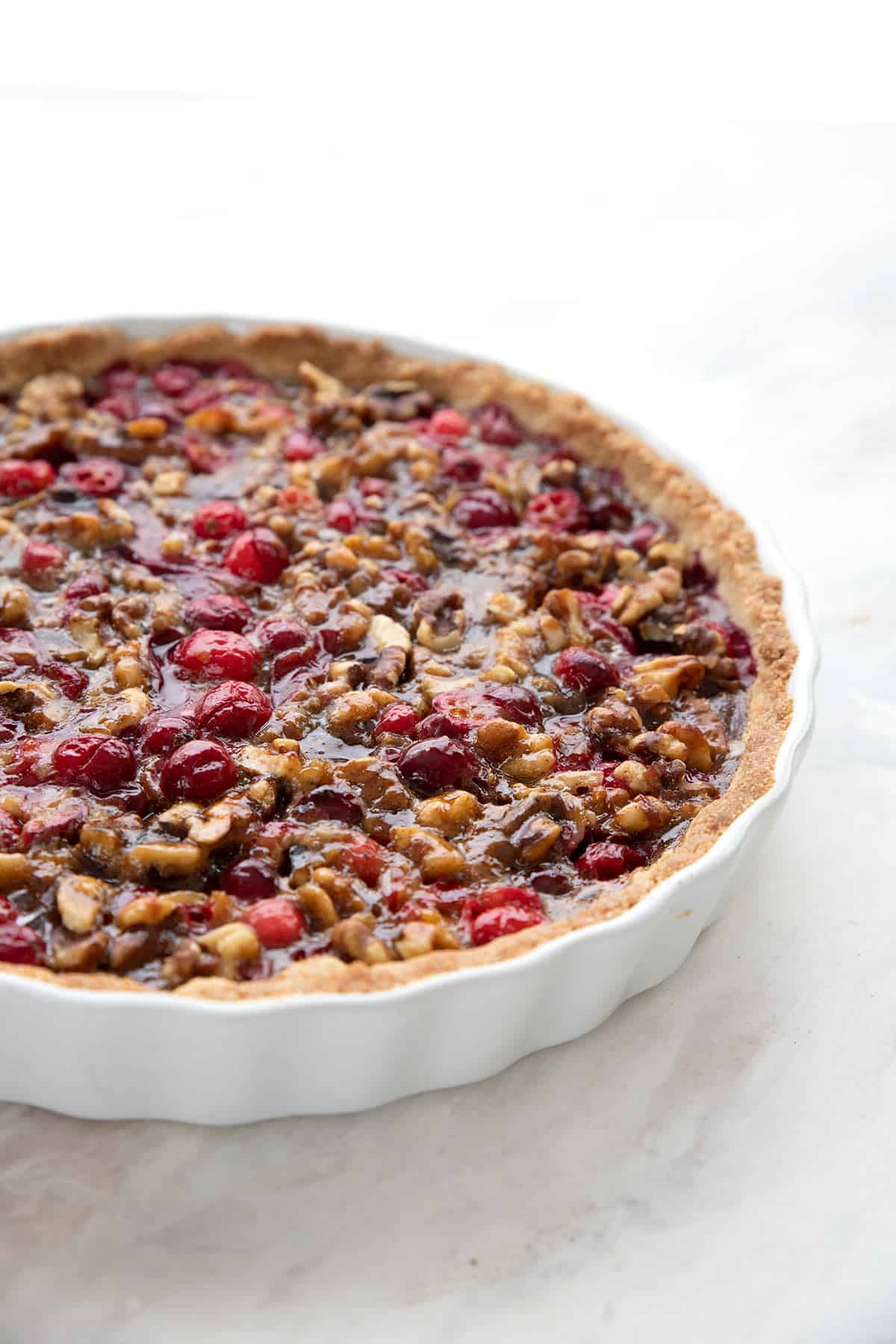
Check out these popular recipes: Keto Apple Cheesecake Bars, Keto Cranberry Walnut Tart


Is allulose keto friendly?
What is it?
Allulose is a relative newcomer on the sugar alternative scene and has become incredibly popular. It is a monosaccharide, which means it really is a “sugar”, but one that our bodies don’t treat like a sugar or a carb. It is largely excreted without ever affecting blood glucose levels.
A few things to note: Allulose is not approved for sale in many countries, including Canada and the EU. That does NOT mean that it has been banned, it simply means that it has yet to be approved. And it is not illegal to order it or bring it across the border, as long as it is for personal use.
Some people experience gastrointestinal upset from allulose. When I first began to test it out, I experienced this when I used it in high quantities. I no longer do. That is entirely anecdotal but it may be that your body can get used to it. So it’s worth testing on yourself in small amounts and building up from there.
How does it work?
Similar to sugar:
- Allulose caramelizes nicely and tends to be hygroscopic, keeping sauces and ice creams soft, and baked goods tender.
- It thickens and turns syrupy when boiled and simmered.
- It comes in both granular and liquid forms.
Differs from sugar:
- Allulose is only 70% as sweet, which means you need more to sweeten your desserts.
- While it caramelizes well, it doesn’t crisp up well and baked goods tend to be soft and cakey. Even a small amount of allulose can prevent cookies from becoming crisp.
- It can over-brown the outside of baked goods, especially the parts that are touching the sides of the pan. Cakes can have a dark, almost burnt appearance, although they aren’t over-cooked.
- Allulose makes everything softer, including cheesecakes, puddings, and frostings. They may take a lot longer to firm up and set properly when made with it.
Concerns: At this time, allulose has not been as widely studied as other sweeteners, and there are no long-term studies in humans. So while there aren’t any adverse health concerns at this time, that may change in the future.
Major Brand Names: Impact, So Nourished, All-U-Lose, Lakanto
Check out these popular recipes: keto caramel sauce, keto cranberry sauce, keto honey mustard


Are Monk Fruit and Stevia Keto-Friendly?
I am lumping these two together because they have many similar properties and behave much the same way.
What are they?
Both stevia and monkfruit are naturally derived, plant-based sweeteners that are hundreds of times sweeter than sugar. Because they are extremely concentrated, a tiny amount can sweeten a whole recipe.
While that may sound like a good thing, it can have major implications for your keto baked goods. Read on…
How do they work?
Concentrated sweeteners like these have no “bulk”. This means that they have little in the way of weight or volume so they don’t add much to your recipe other than sweetness. They can’t contribute anything to texture or consistency, and they don’t caramelize, crisp, or brown your baked goods.
Bulk is an important factor in anything from cupcakes to frosting. Substituting a non-bulk sweetener means your keto treats may not rise properly, may be more fragile, and may not set properly. But you can use them in combination with bulk sweeteners. I sometimes add a few stevia drops to my recipes to allow me to cut back on erythritol.
“Monk fruit sweetener”
Please be aware that many brands that bill themselves as “monk fruit sweetener” are actually mostly erythritol or allulose. The main ingredient is the bulk sweetener, with a little monk fruit to make it sweeter. This means that the sweetener will behave mostly like erythritol or allulose.
Artificial Sweeteners
All of the substances discussed above are found in nature, and thus should be considered natural sweeteners. Other common sweeteners like Sucralose, aspartame, and acesulfame K, are synthetically derived and are truly artificial sweeteners.
Although I choose not to use these, I know that many people like using Sucralose. If you wish to use it, you can consider its properties similar to those of monk fruit and stevia. It is highly concentrated, much sweeter than sugar, has no bulk, and will not caramelize.
Some brands combine Sucralose with bulking agents like maltodextrin. I recommend steering clear of these on a keto or low carb diet. Maltodextrin often raises blood sugar as much as real sugar!
How To Use Sugar Substitutes
I’ve thrown a ton of information at you and I know it’s hard to digest it all. I do this for a living and still I have times when a certain sweetener doesn’t behave the way I think it should. But here’s a quick cheat sheet on what to use when:
- Want crisp keto cookies? Use erythritol based sweeteners that don’t contain any allulose or xylitol. Other options will make your cookies soft and cakey. I highly recommend my keto brown sugar replacement for the best brown sugar substitute for cookies!
- Making a keto cake recipe? Use any sweetener that has bulk (erythritol, BochaSweet, xylitol or allulose), but do be forewarned that some are not quite as sweet as sugar and you may need more of them. Also keep your eye on cakes and muffins made with allulose so that they don’t over-brown.
- Making a keto frosting? You need a bulk powdered sweetener to give your frosting structure. Erythritol, xylitol, and allulose all have powdered (confectioners) versions.
- Want a gooey consistency? Try using allulose or xylitol, or combine it with another erythritol based sweetener. This combo is perfect for things like keto caramel sauce or my keto pecan pie.
- Want keto ice cream that stays scoopable for days? My recommendation is a 50/50 split between erythritol and allulose. Using only erythritol based sweeteners makes your ice cream rock hard, and allulose alone makes it too soft (it stays like soft serve!).
- Just trying to sweeten your coffee? Use whatever you like best. They all work well if you don’t need a certain consistency so this is a matter of personal preference.


Still have questions?
Leave a comment and I will do my best to answer!
Adding to the confusion is that many brands on the market are blends of the keto sweeteners I outlined above. Blending sugar substitutes can maximize their sweetness and reduce potential aftertastes.
But I’ve tried such a wide array of sweeteners, I have a good idea of how most of them work. I can also take an educated guess based on the ingredients list. So drop me a line and I will give you all the information I can.
Nutritional Disclaimer
Please note that I am not a medical or nutritional professional. I am simply recounting and sharing my own experiences on this blog. Nothing I express here should be taken as medical advice and you should consult with your doctor before starting any diet or exercise program. I provide nutritional information for my recipes simply as a courtesy to my readers. It is calculated using MacGourmet software and I remove erythritol from the final carb count and net carb count, as it does not affect my own blood glucose levels. I do my best to be as accurate as possible but you should independently calculate nutritional information on your own before relying on them. I expressly disclaim any and all liability of any kind with respect to any act or omission wholly or in part in reliance on anything contained in this website.
Free Bonus: Secrets to Keto Baking!
Sign up for your favorite recipes delivered straight to your inbox plus get our FREE bonus: Secrets to Keto Baking!












Thank you for leaving recommendations with your recipes on which sweeteners work best to achieve the results you want. Your expertise is so valued!
Thank you!
What about coconut sugar? Is that Keto friendly?
It is not in the least a keto friendly sweetener.
Association is not causation. Sugar in the quantities consumed now would make up about 10 sec of a 24 hour day of human evolution so I would contend that it or any of the other sweeteners you so nicely describe are in any sense less or more “natural” and sugar the most clearly proven to be most dangerous.
I find liquid sucralose convenient to my needs. I.e. chloronated sucrose.
Thank you so much for the breakdown on sweetners. Very Helpful and much appreciated. We love your bakery recipes. Delicious.
Thank you for the update, I have the previous article saved and will save this one as well. I really appeciate the information.
You’re welcome!
Hi, I love your recipes. I have a peanut butter cookie recipe from my grandmother, I’d like to figure out how I can replicate how these taste and how crunchy they are with a keto friendly version. I’ve lost over 50 pounds on the keto diet and have maybe 20 pounds more that I would like to lose. My blood pressure is way down along with my back problems. I can’t say enough about keto diet.
1/2 cup shortening
1/2 c peanut butter
1/2 c white sugar
1/2 c brown sugar
1 egg
1 &1/4 cups flour
1/4 tsp salt
1/2 tsp baking powder
3/4 tsp baking soda
Mix together and roll into balls and press with fork. Bake 350 until done.
Shortening is a horrible product made from hydrogenated palm or seed even petroleum oils. I recommend using real butter instead or solid coconut oil.
This recipe sounds delicious Michele!
Thanks for this update! I have an old (a few years at least) bag of bocha sweet and was not aware it was essentially xylitol! Nowhere on the package is this mentioned. We don’t have dogs anymore but I have always avoided xylitol because of the potential for (visiting) canine toxicity. I appreciate this information!
My question is about the “high conception of erythritol and the correlations in health concerns”. High amount is a relative term to me. Does that mean 1 tablespoon a day one cup a day , 5 cups a day or was that a pound a day? Can you be a little more clear on what the study showed or do we even know what “high amount “meant in the study?
The reason I’m asking is because if the Study was funded by the sugar association, they could’ve did a test where people had a pound a day and then of course they didn’t feel good, We can’t rule out that they were just trying to scare us.
I appreciated this article so much! thank you for your time Carolyn!
Good question. T.Y.
You can read my previous analysis linked in this post.
Thank you very much for very important information !!!
Hi, Carolyn,
A sweetener that new to me is Tagatose. That “ose” suffix tells me it’s a sugar, but I don’t know how to use it in baking. Some say to blend it with other keto sugars. Do you have a recommendation? Thank you.
I’m not carolyn, but I’m happy to share my tagatose experience. I use it in place of erythritol. i absolitely despise the mouth sensaton from erythritol and monk fruit, so I stopped using it all together. My main combo, when baking certain treats that would normally use erythritol is… Puyre organic allulose/Stevia blend(I get it at Walmart) and tagatose (Amazon). I’ve been experimenting and am quite happy. it gives me the crisp outside, soft inside of cookies, like chocolate chip. *To note: I am a T1c diabetic, a bakery owner with a huge sweet tooth lol, so i experiment a lot. i am extremely careful with what I eat. I research everything, absolutely no artificial sweeteners, so tagatose has been fun and exciting. yes, it can cause tummy issues, like any of them. However, research shows promising, not perfect, but I’m not afraid of it. 😁
In *your opinion*, what is the best sugar substitute to make meringue, for Swiss meringue frosting? I tried making a french meringue with a sugar substitute about 10-12 years ago, and, after I whipped the egg whites a bit, the sugar substitute dissolved the egg whites. Also, thank you so much for reposting this. I want to get back to my love of baking, but I’d also like to make my baking healthier. I’m keeping this as a guide.
Regular meringue requires erythritol to crisp up. However, if you want a Swiss meringue buttercream, I have a recipe for that.. it uses a combo of erythritol and xylitol (BochaSweet). https://alldayidreamaboutfood.com/best-sugar-free-frosting/
Hi Carolyn,
I am for years looking for a sugar replacement for making jams and jellies.
It feels like having my own store of replacement sugars at home and nothing works. Every replacement I tried recristalizes. Any idea what I could try?
I am using your book a lot and the recipes go well with my diabetes.
Thank you, Gabi
Allulose won’t recrystallize.
Hey Carolyn, I am a long term fan. I have all of your books. Please refresh my memory as to why you do not recommend sucralose. Thanks for all you do! Will
Several reasons… it tastes bad to me (very chemically), it doesn’t bake well because it has no bulk (if bulk is added, it’s usually maltodextrin), and it’s not a naturally occurring substance.
is there such a thing as a low carb “sanding sugar”? I miss the crackling crunch of coarse sugar on top of sweet bakery muffins. Muffins are so easy to bake, and if this ingredient exists, it would be a great special touch.
I know Good Dee’s used to make some but I am not sure if they still do.
I just wanted to say thank you for all the delicious recipes. I admit I haven’t made them all but I have kept them all so thank you for all your hard work it is appreciated.
I’m making one of your ice cream recipes which calls for a combination of Swerve and Bocha sweet. However, I noticed that new bags of Bocha Sweet are listed as xylitol. Will this still work for freezing up?
Terry
Yes, it’s the same. Unfortunately, BochaSweet was a little deceptive, saying that their product was not the same as xylitol. turns out it is the same thing!